
Wool is one of the most versatile natural fibers, adaptable and long-lasting. From snug jumpers to slouchy coats, wool represents warmth and durability without the itchiness. But how many different kinds of wool are there? Wool is not limited to sheep; it comes from a variety of animals, each producing fibers with unique qualities. Knowing these kinds makes it easier for us to determine which fabric is best suited for what kind of clothing, home accessories or any creative crafts. Whether you are searching for softness, longevity or insulation, there is a wool to suit just about every purpose.
Wool is categorized by its source, texture, and processing method. Some wool types are fine and soft, ideal for high-end garments, while others are coarse and robust, perfect for carpets and outerwear. Learning about different types of wool, including types of wool from sheep and other animals, will help you select the best option for your specific requirements. Knowledge of wool types also assures longevity and comfort in your clothing and accessories.
Types of Wool from Sheep
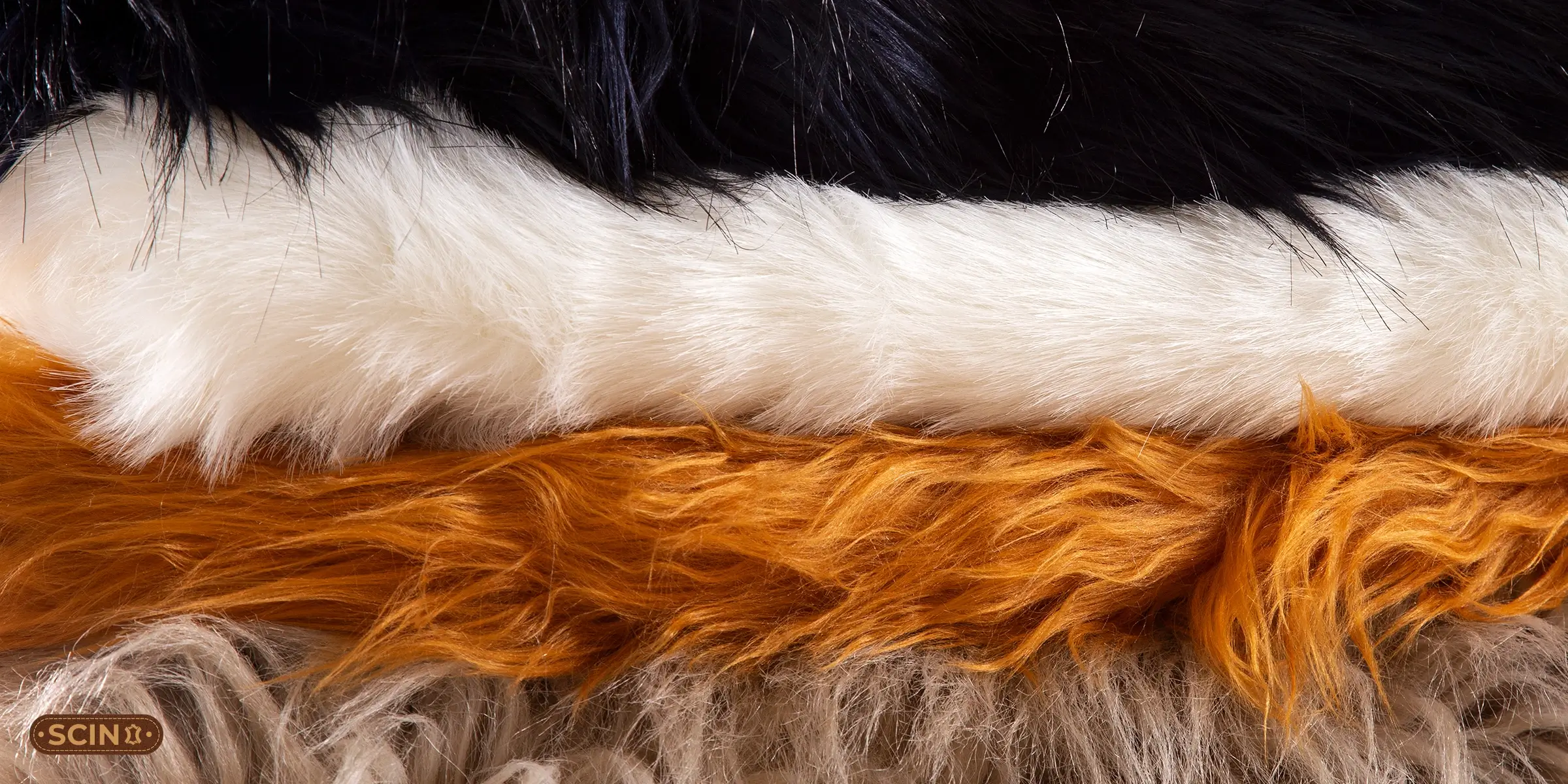
Sheep are the most common source of wool, and their fibers vary widely depending on the breed, age, and climate. Popular types of wool from sheep include Merino, Lambswool, Shetland, Virgin wool, and Cash wool. Each of these wool types offers unique properties such as softness, elasticity, insulation, and durability. For example, Merino wool is prized for its ultra-fine fibers, making it soft against the skin, while Shetland wool is warmer and slightly coarser, ideal for sweaters and blankets.
Sheep wool is extensively applied in the production of clothing and accessories as well as home textiles. Sheep wool has various types that can be grouped according to their hair thickness and crimp pattern and their method of processing. Young sheep produce lambswool which has soft and flexible qualities while adult sheep produce virgin wool which delivers durability and strength. The comparison between sheep wool and other fabrics can be studied through the sheepskin vs shearling and choosing the best fabric for jacket linings.
Merino Wool
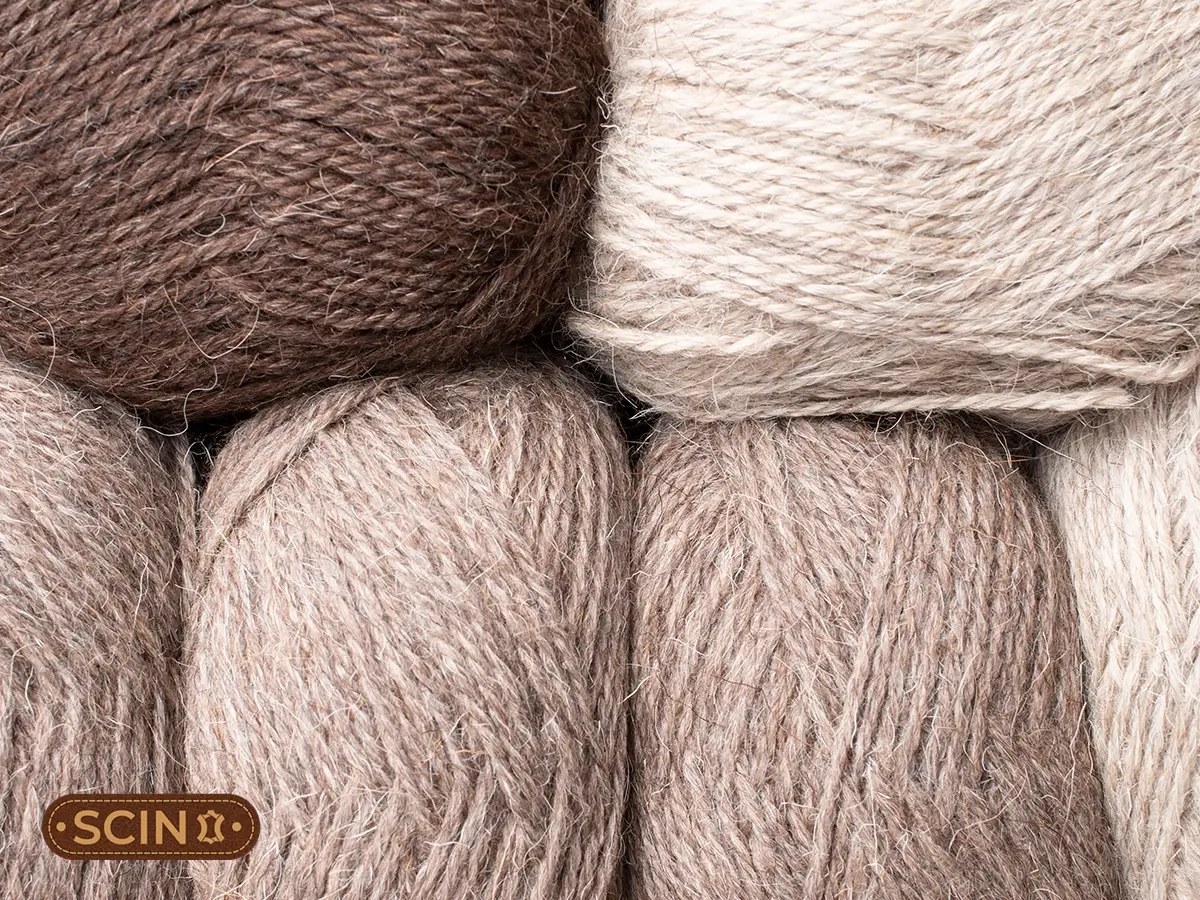
Merino wool comes from Merino sheep and is famous for its exceptional softness and fine fibers. The material functions as lightweight and breathable fabric which customers can use to create skin-tight clothing. The activewear and outdoor apparel of Merino wool proves its ability to wick away moisture from the body. The material provides a comfortable experience because it lacks the itchy sensation which most people associate with coarse wool. The product maintains its original shape because of its elastic and resilient properties which designers of knitwear prefer to use.
Merino wool is considered one of the best types of wool for winter wear and high-performance clothing. The material serves as a common material in the production of sweaters and scarves and thermal garments. Merino offers both softness and durability which makes it the best choice for people who want to own premium quality wool fabric.
Lambswool
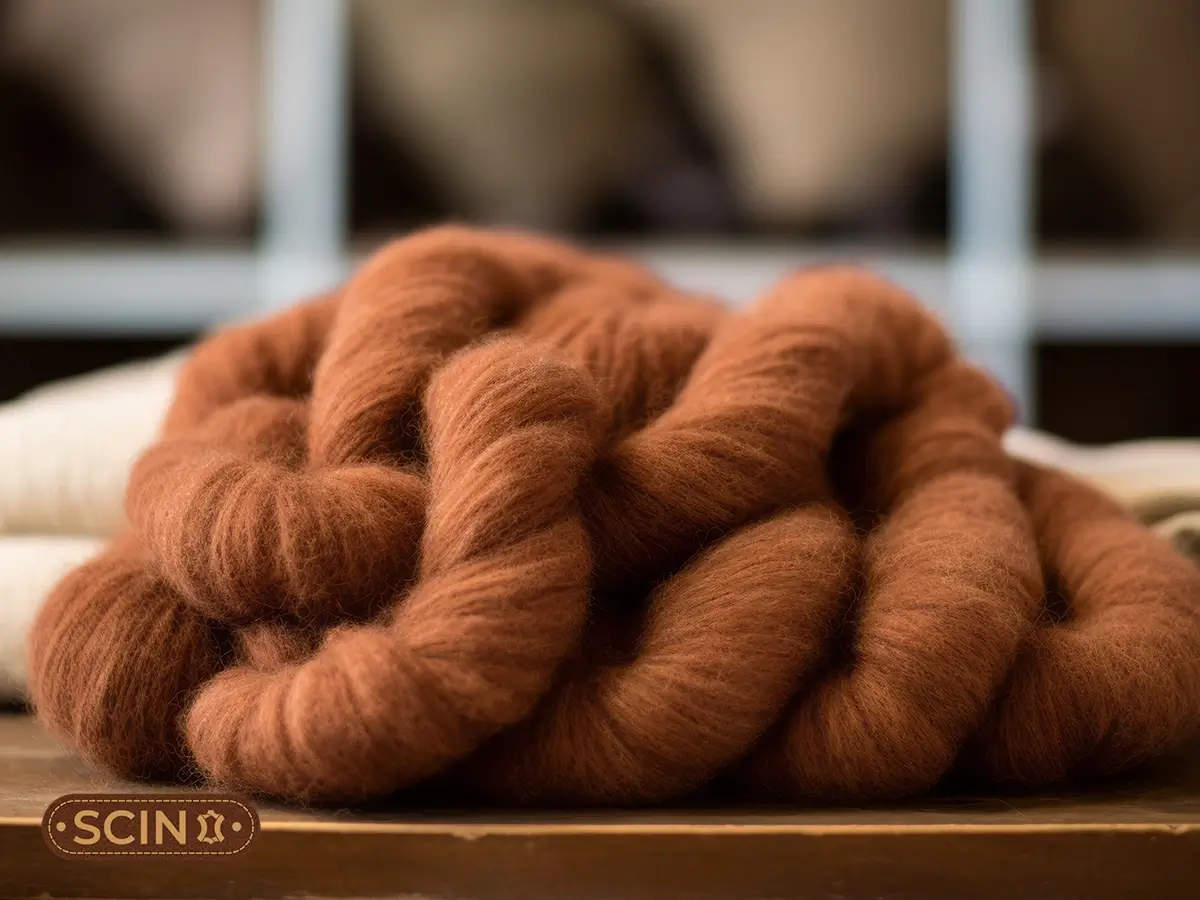
The collection of lambswool occurs when young sheep under one year old reach their first shearing. The material serves as perfect insulation for making sweaters and hats and scarves because of its lightweight properties. Lambswool fibers show fine and equal thickness, which results in a soft skin contact experience without causing irritation. People commonly regard this wool variety as one of the most comfortable and warmest wool types which provide outstanding thermal insulation.
The natural elastic properties of the fabric help to maintain its shape while preventing any permanent damage from occurring through use. Lambswool functions as a multipurpose material which designers use to create both fashion items and home decoration products such as blankets and throws.
Shetland Wool
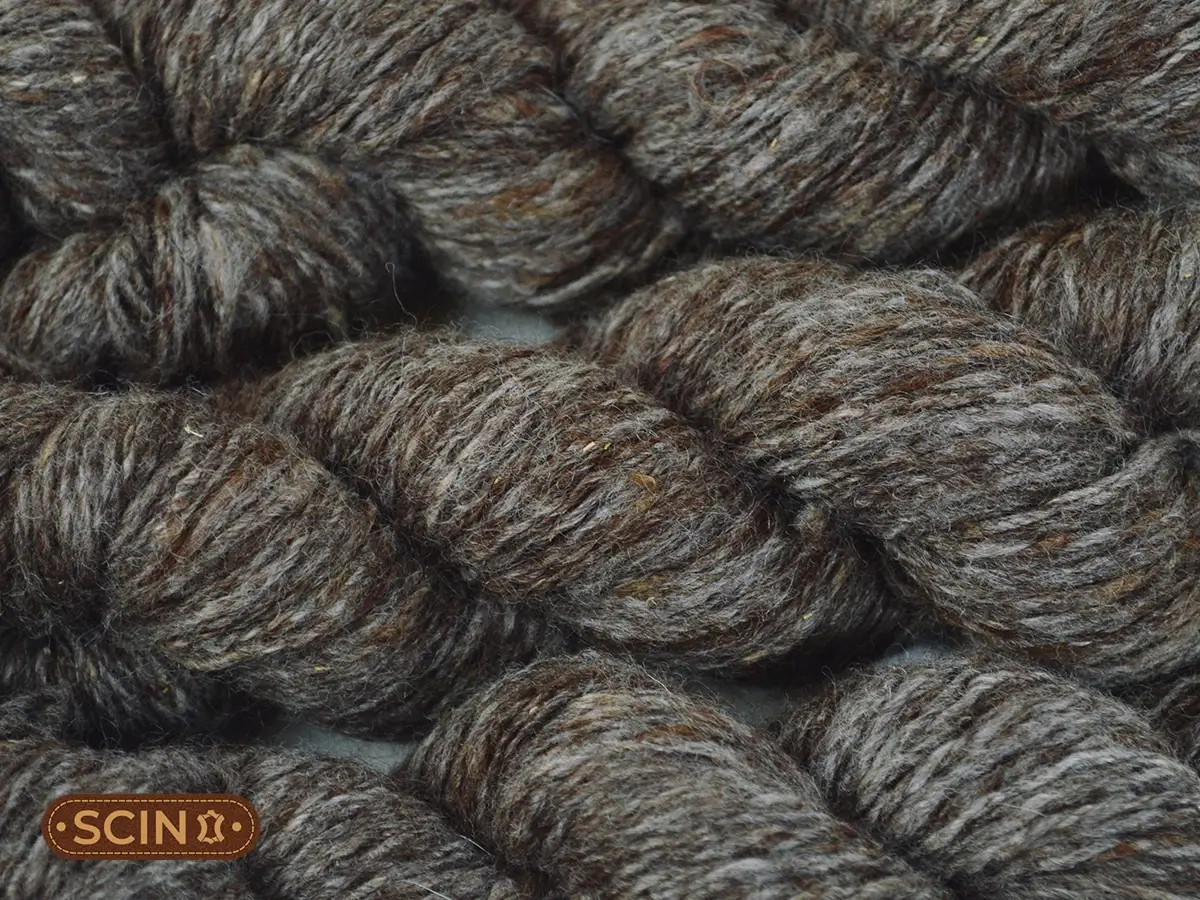
Shetland wool originates from Shetland sheep which are native to Scotland. The material provides warmth and long-lasting strength through its mildly rough surface. Shetland wool functions well for outerwear and sweaters and traditional knitwear although it does not reach the softness levels of Merino or Lambswool. The natural elasticity and resilience of its fibers help garment to keep their shape over extended periods.
Shetland wool exists in natural colors which include white and grey and brown. The wool material has a rough texture which provides comfort for making heavy sweaters and cardigans and outerwear that people wear in cold weather.
Virgin Wool
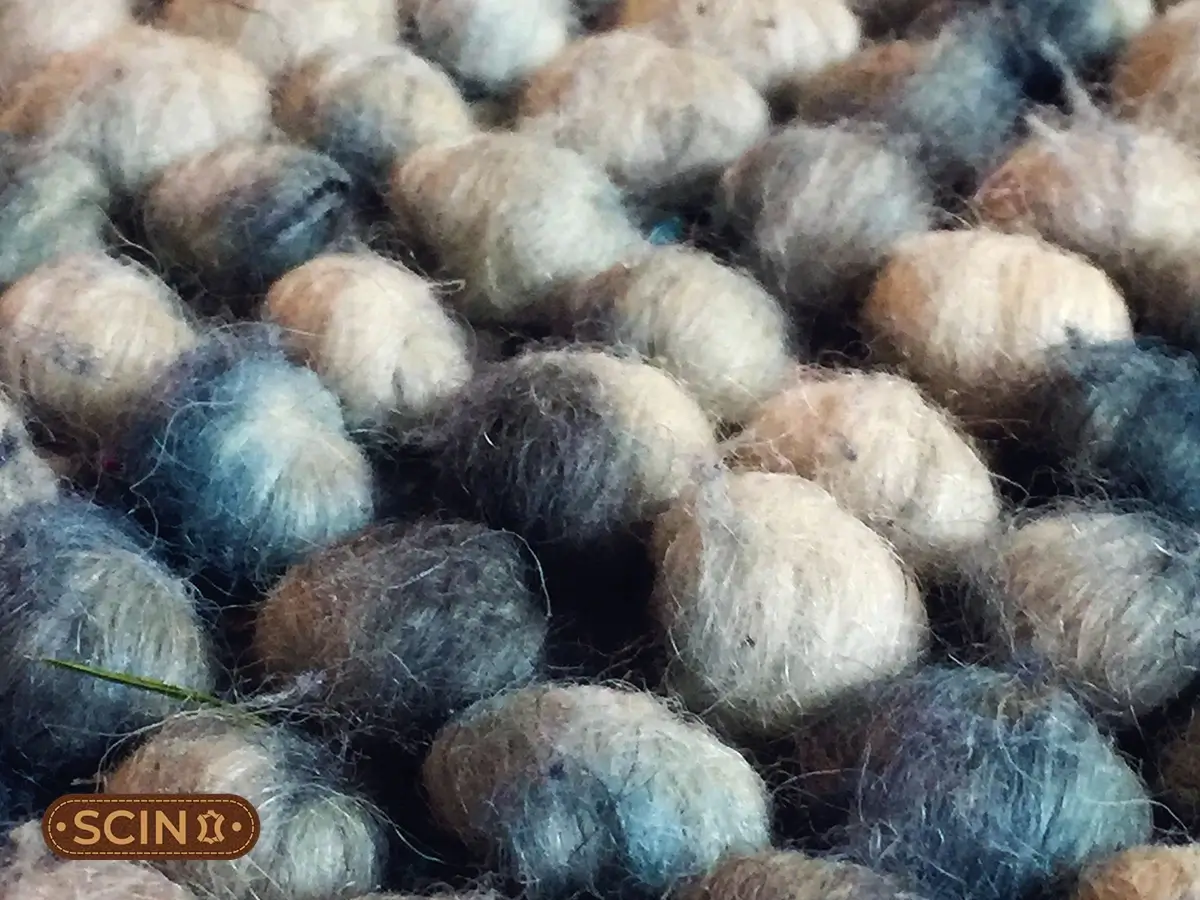
Virgin wool refers to wool that has never been processed or used before. Adult sheep produce this material which delivers its highest strength and durability. Virgin wool fibers offer natural strength which makes them ideal for constructing high-quality clothing and premium suits. This wool type offers both warmth and longevity together with its durability which makes it one of the finest wool options for creating enduring apparel. Virgin wool can be blended with other fibers to enhance performance and softness while maintaining its natural strength.
Cash Wool
Cash wool is a fine wool type which comes from specific sheep breeds and people value it because of its soft and luxurious properties. The wool resembles Merino wool but manufacturers typical blend it with cashmere and other materials to achieve greater softness. Cash wool garments provide lightweight and warm and comfortable properties which make them appropriate for premium fashion.
The material features a smooth texture which delivers durability, making it suitable for use in sweaters and coats and scarves. Cash wool serves as the best option for people who want to experience the softness of premium wool yet require their material to withstand wear and tear.
Types of Wool from Other Animal Sources
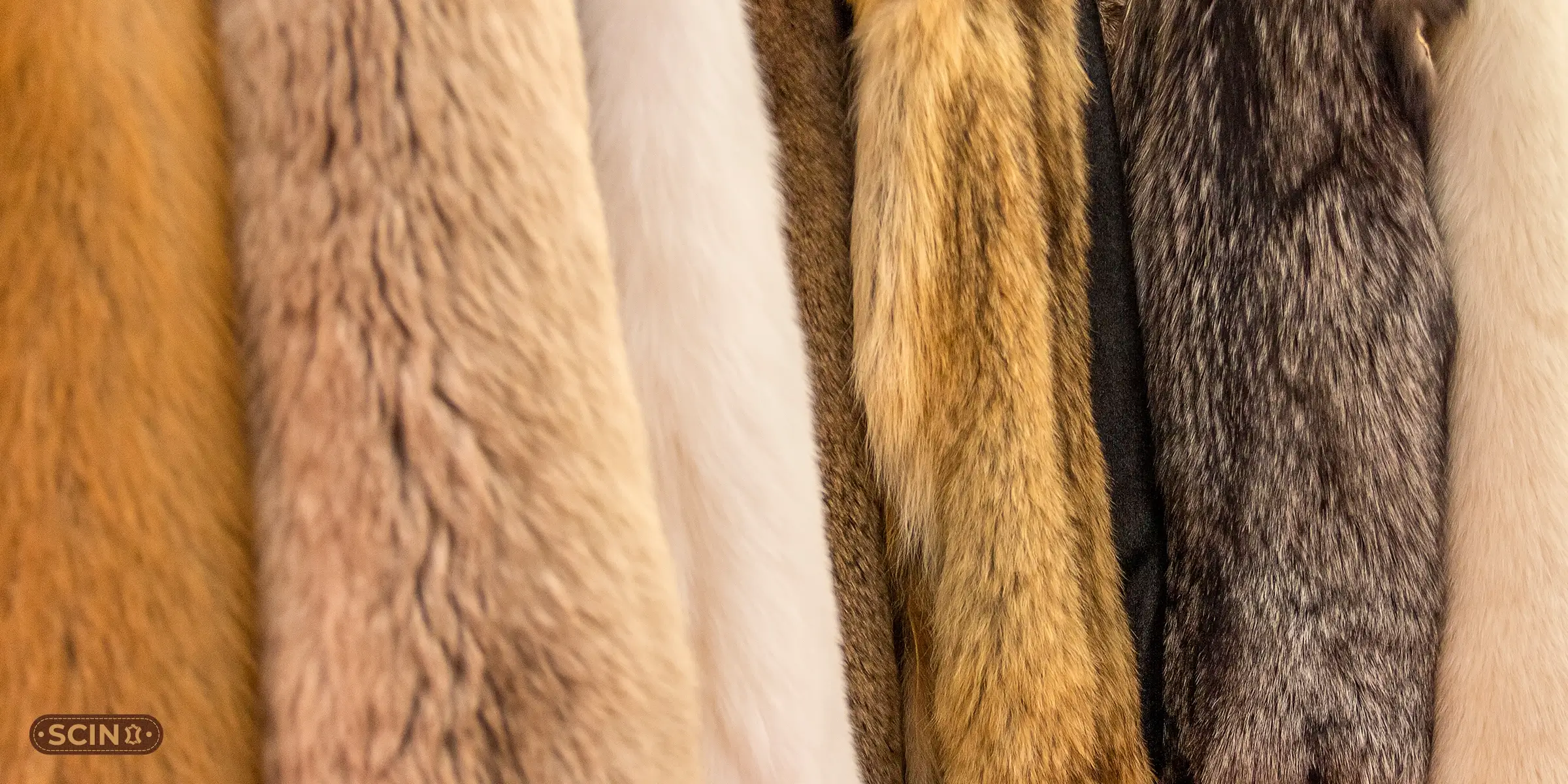
All wool originates from sheep. Goats and alpacas and llamas and camels produce unique fibers which have different characteristics from each other. The fibers which are used in high-end fashion and specialty textiles provide greater softness and warmth and luxurious properties when compared to sheep wool.
Cashmere Wool
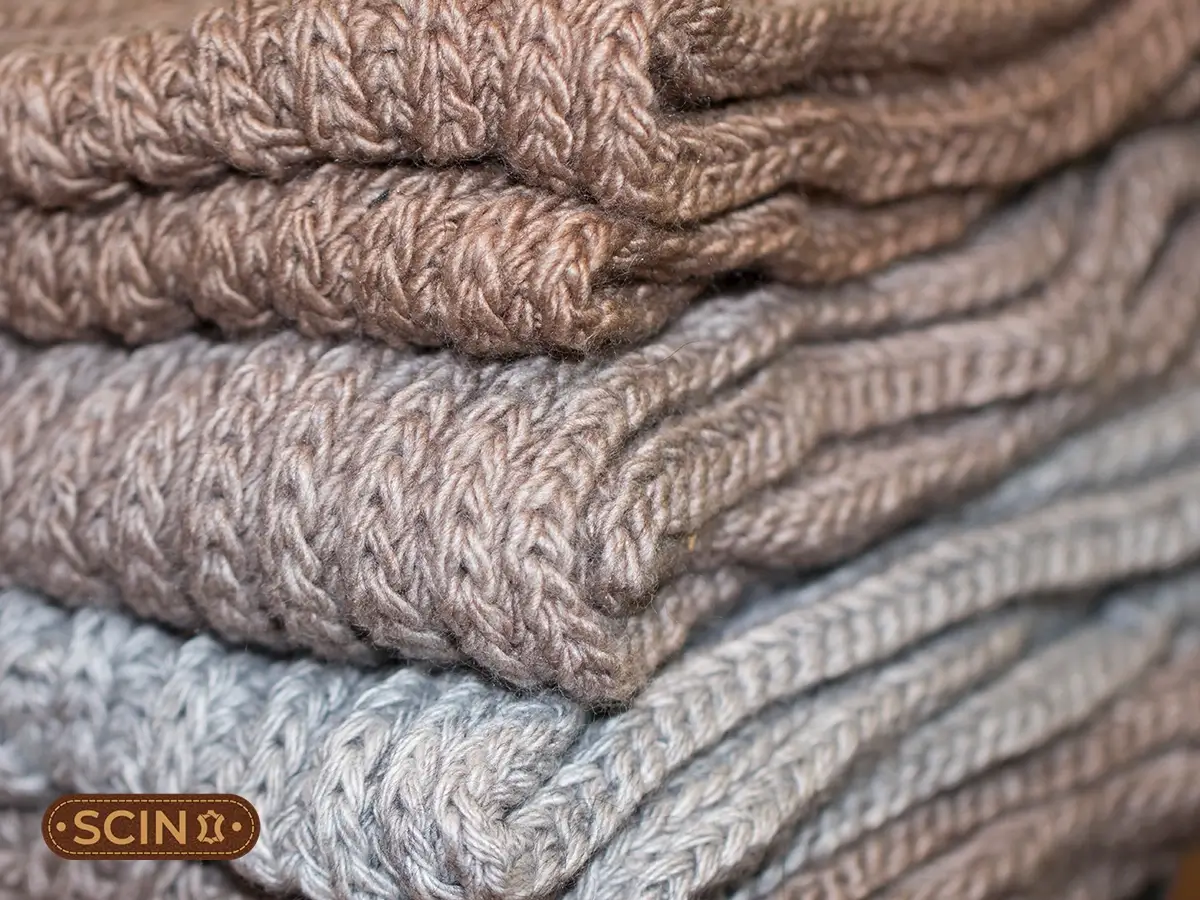
The soft undercoat of cashmere goats produces cashmere wool. The material displays extreme fineness and softness and lightweight properties while delivering superior insulation performance. The labor-intensive process needed to collect cashmere results in higher production costs which lead to cashmere garments being regarded as luxury items. The wool material serves as an ideal choice for making sweaters and shawls and scarves. Winter clothing fans prefer the material because of its soft texture and ability to provide warmth.
Mohair Wool
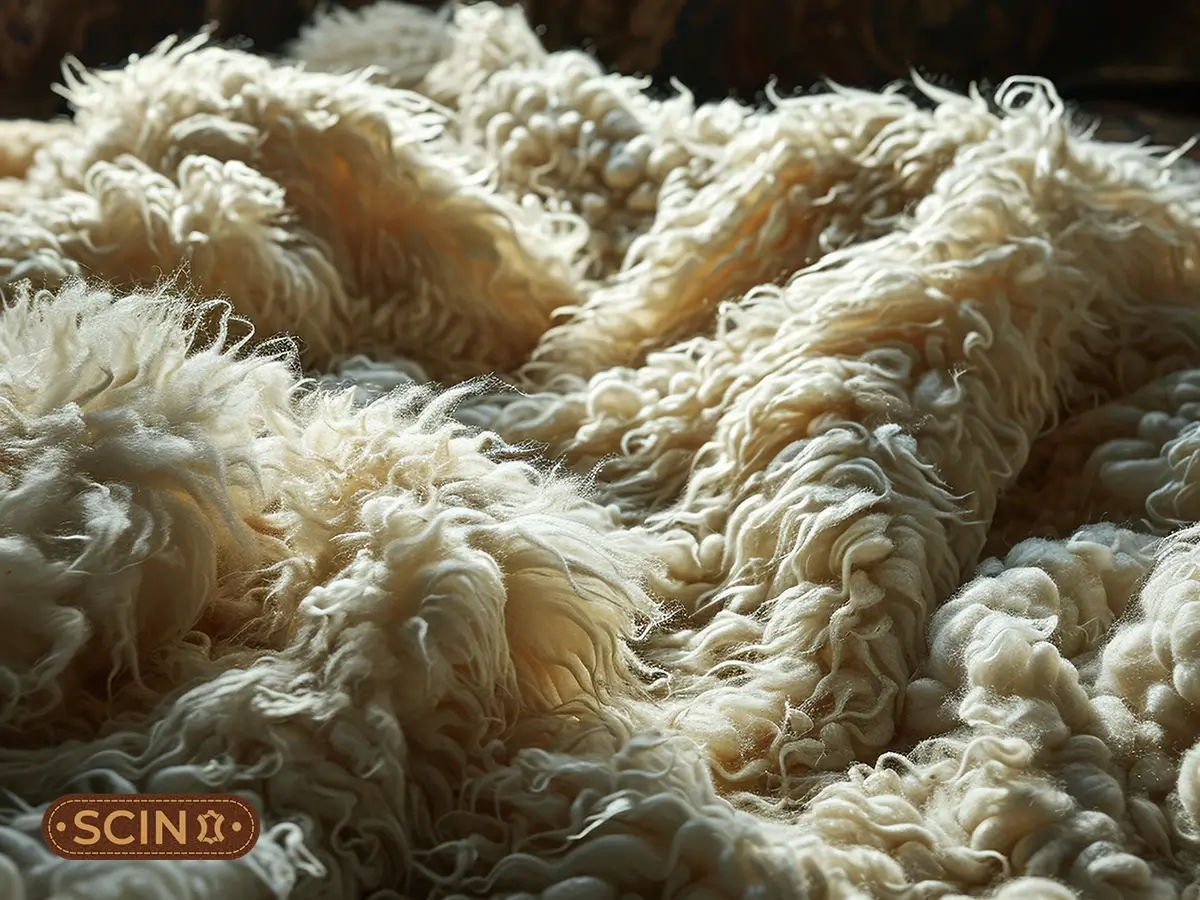
Mohair wool comes from Angora goats. The material possesses strength together with silk-like texture and natural shiny appearance. The combination of insulation properties and elastic characteristics makes mohair an ideal material for winter wear. The combination of mohair with other fibers results in increased softness and durability of the fabric. The fabric represents one of the finest types of wool used in high-quality knitwear because of its shiny appearance and durable nature.
Alpaca Wool
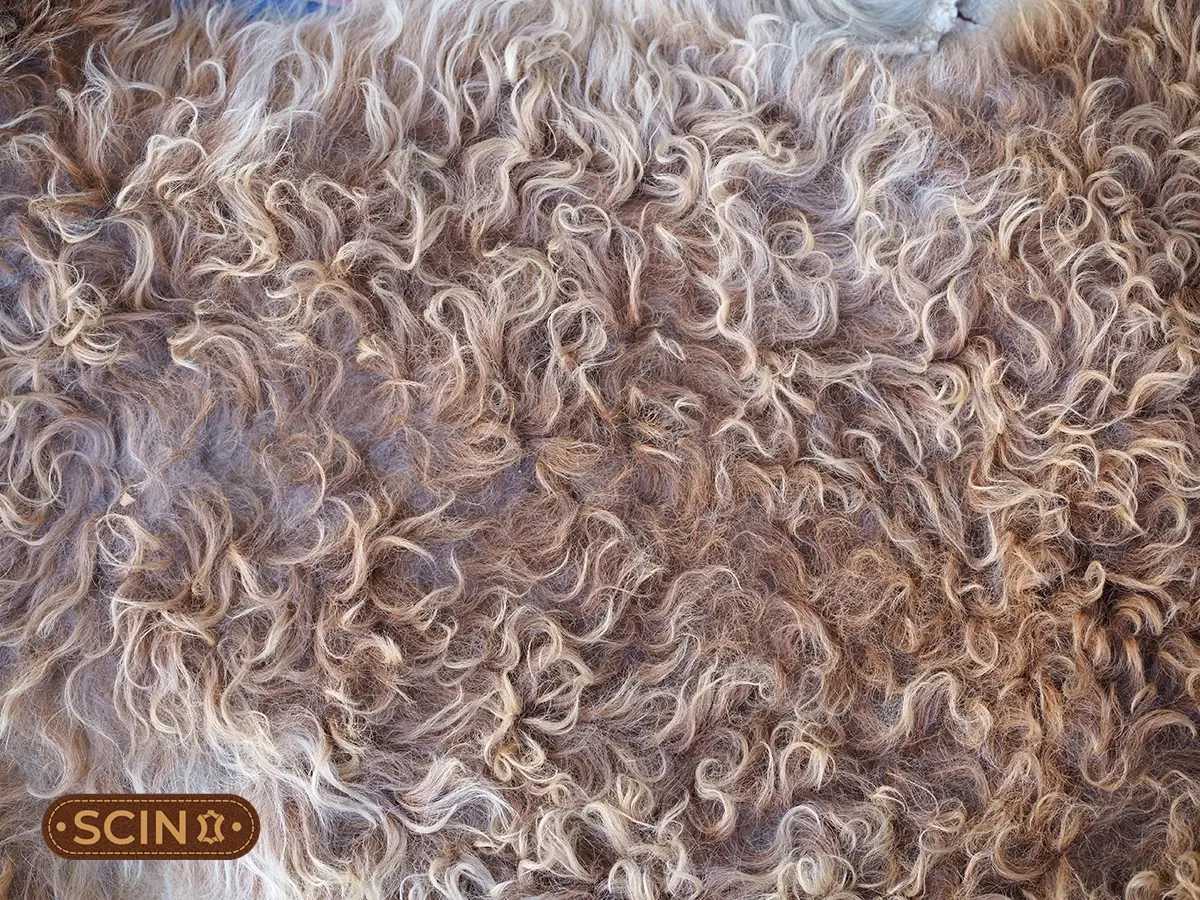
The alpaca native to South America, produces alpaca wool which is used to create the soft lightweight material that provides better warmth than sheep wool. People with sensitive skin can use alpaca fibers because they contain hypoallergenic properties. People use alpaca wool to make sweaters and scarves and blankets. The material provides both luxurious touch and natural heat retention which makes it the preferred material for premium winter clothing.
Llama Wool
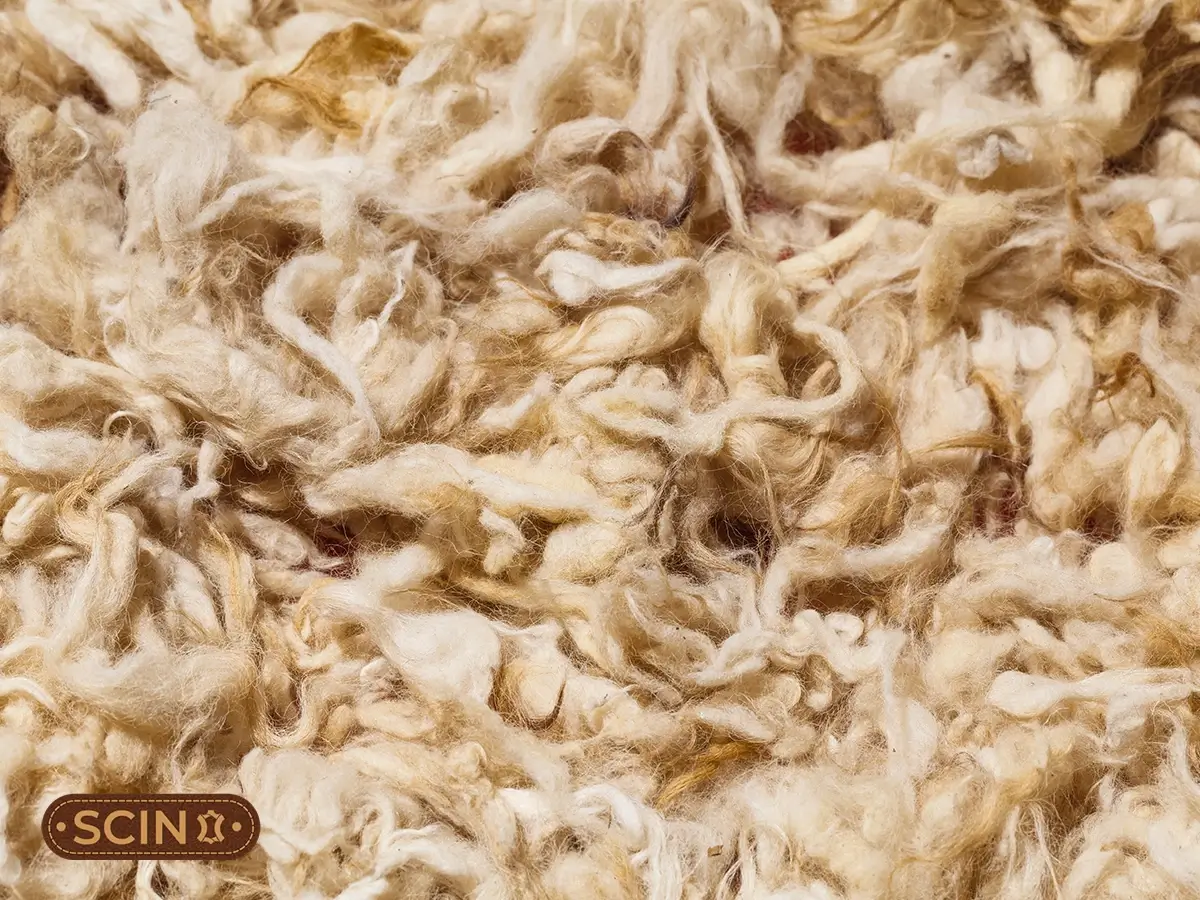
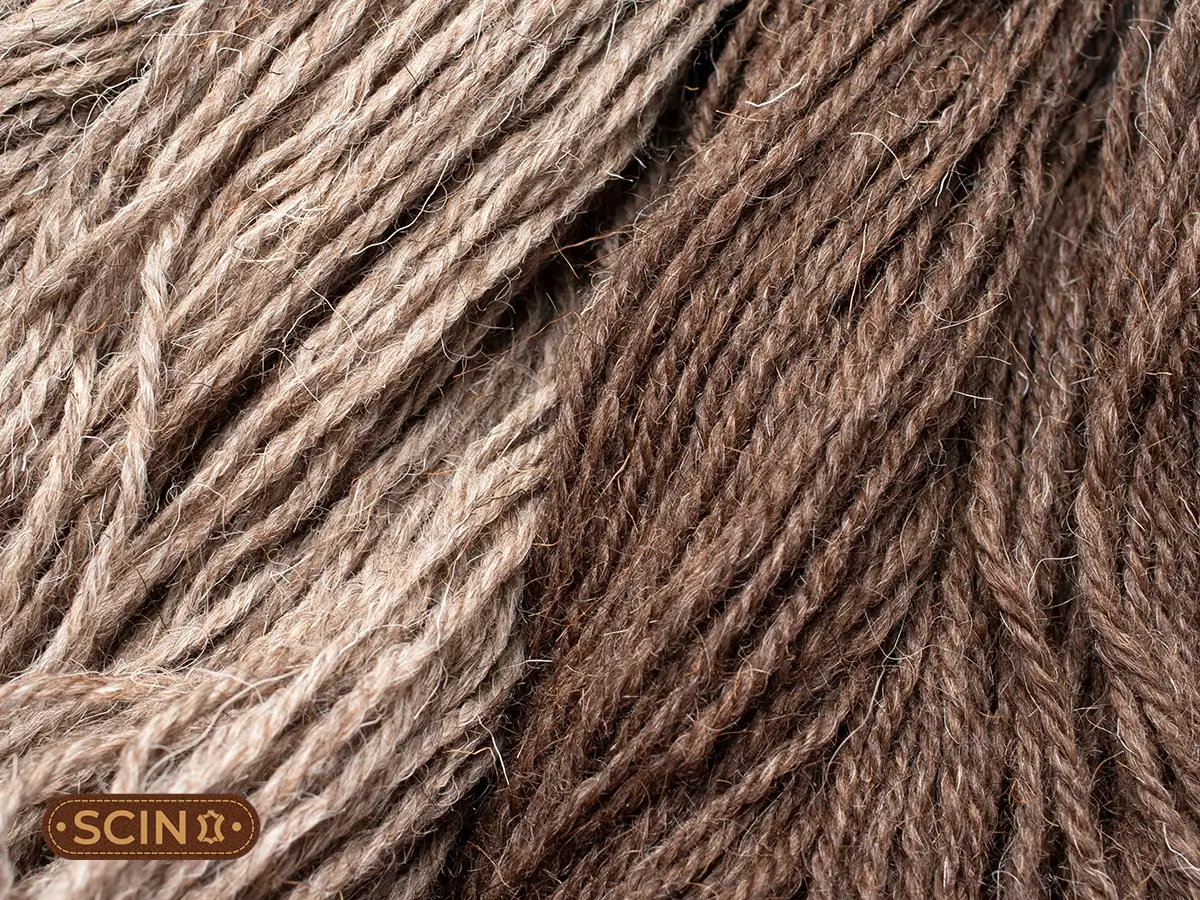
Llama wool closely resembles alpaca wool but has a slightly coarser texture. The material offers both warmth and durability which makes it suitable for use in outerwear and blankets and rugs. Artisans use llama wool to create traditional textiles and make their customary garments. The material maintains its original shape because of its built-in strength. The product serves as an effective solution for making winter clothing because it combines lightweight properties with high strength.
Vicuña Wool
Vicuña wool comes from the rare vicuña, native to the Andes. The fabric exists as one of the most luxurious wools because its material possesses extreme fineness and softness and lightweight characteristics. The extreme rarity of vicuña wool makes it highly expensive which limits its use to making exclusive garments and high-end accessories. The material delivers exceptional softness and elegant appearance through its delicate fibers.
Guanaco Wool
Guanaco wool comes from the guanaco which belongs to the same family as llamas. The material has a soft and lightweight quality which delivers outstanding thermal protection. The wool material serves as a standard material for producing scarves and sweaters and high-end outerwear. Guanaco wool combines comfort with strength to create a material suitable for making premium clothing. The material delivers an upscale experience because of its delicate texture.
Camel Wool
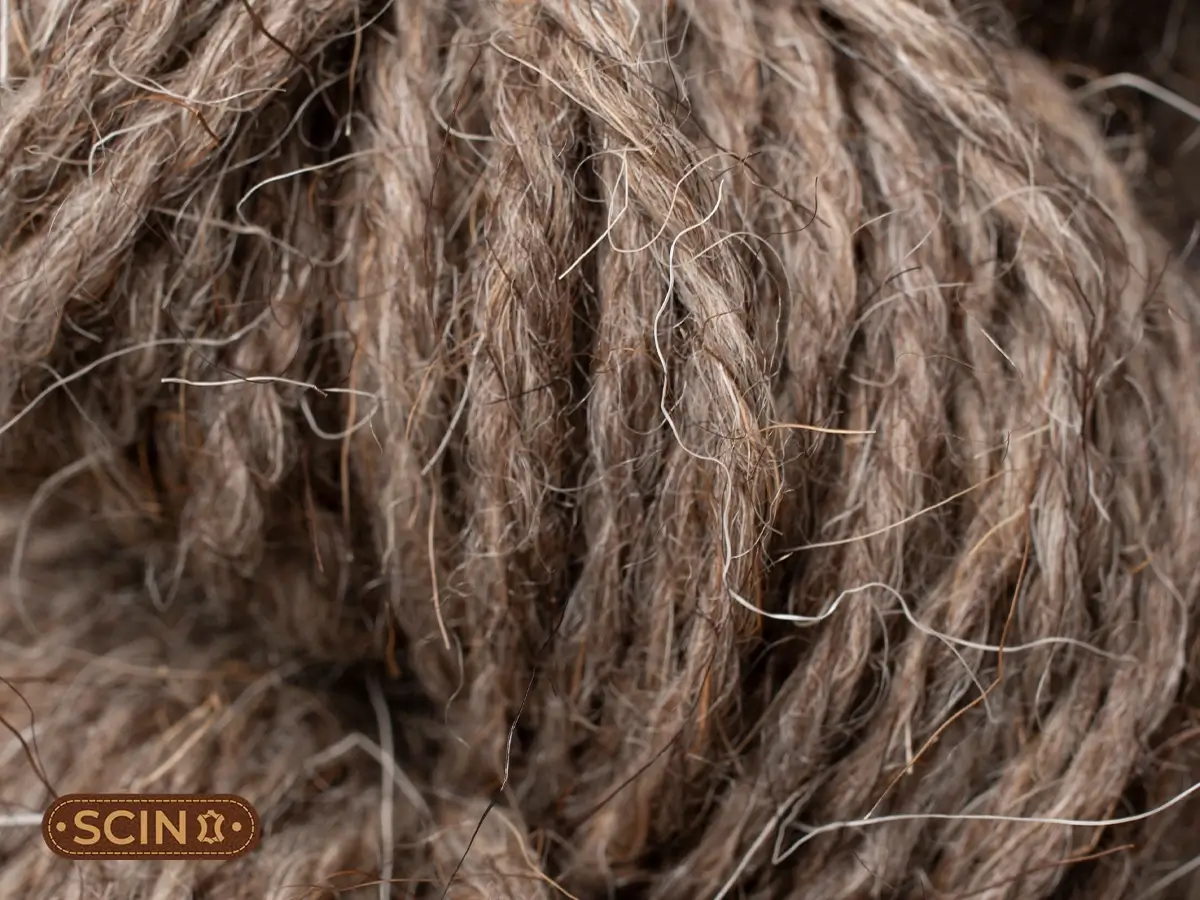
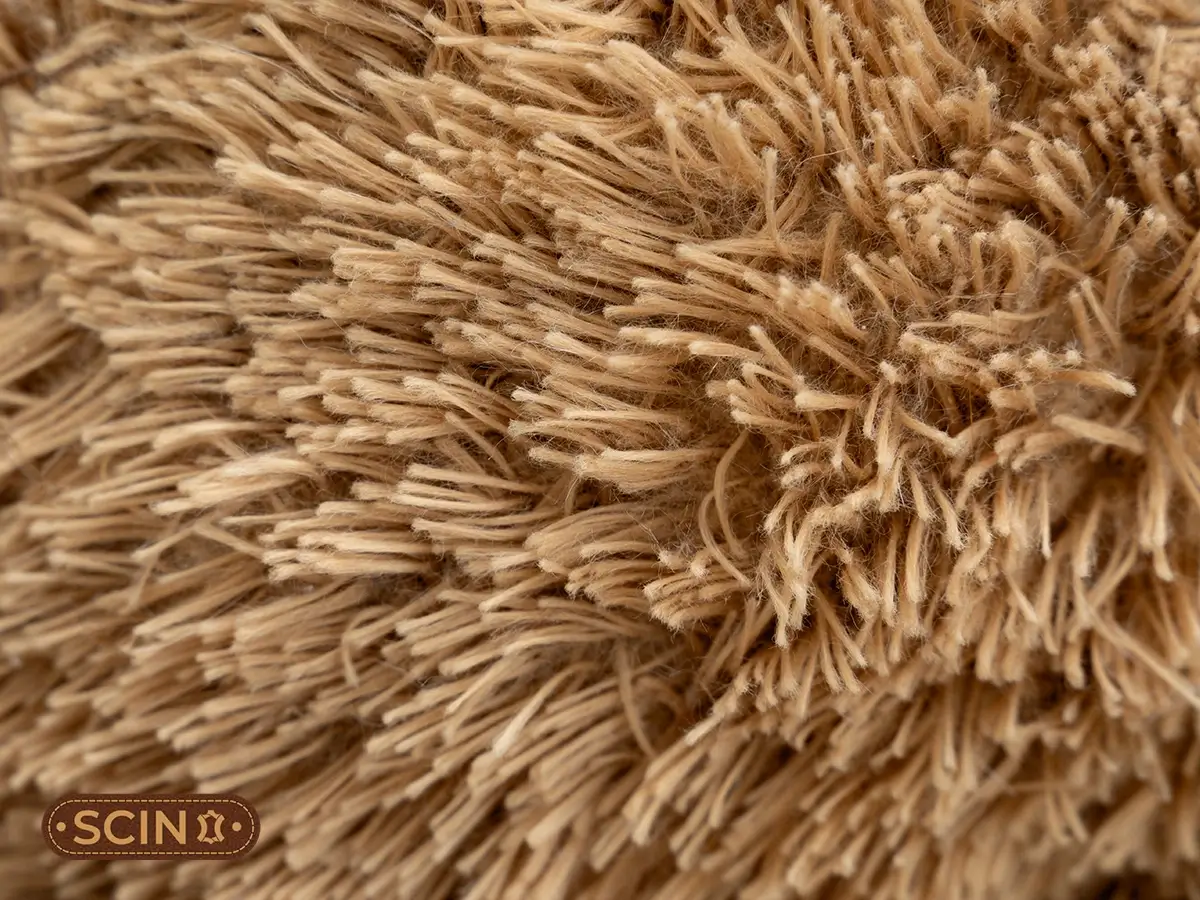
Camel wool comes from camels and is valued for its natural warmth and durability. The material provides soft insulation which protects against severe weather conditions. People use camel wool to make coats blankets and scarves. The product shows durability through its long-lasting fibers which create comfortable and stylish wear. Camel wool enables breathability in garments which helps maintain comfort throughout different temperature conditions.
Angora Wool
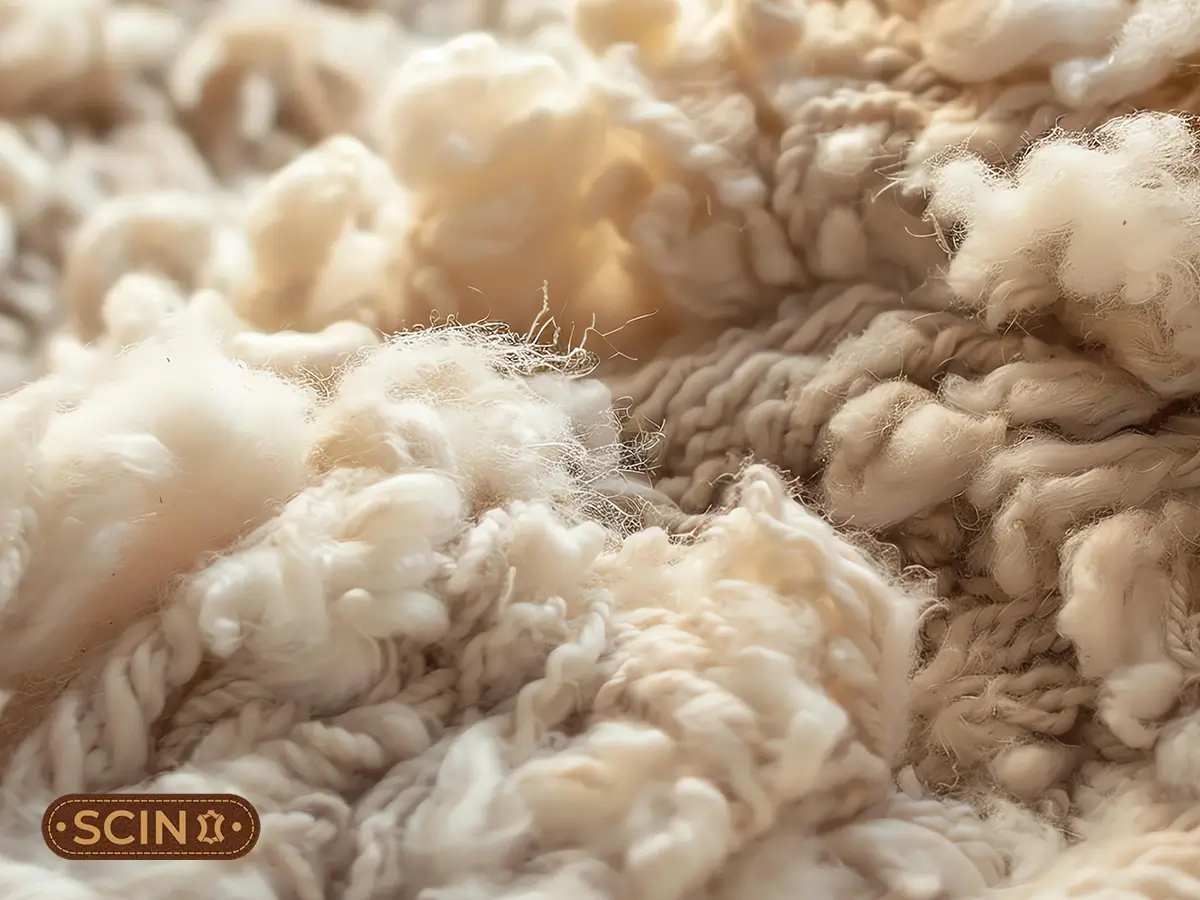
Angora wool comes from Angora rabbits and it possesses three main characteristics which make it extremely soft and fluffy and lightweight. The material is frequently combined with different textiles to create knitwear which provides insulation while remaining light. Angora wool is suitable for use in making sweaters and scarves and all types of delicate wintertime accessories. The fabric’s light design creates an experience of both luxurious comfort which people especially use for making warm clothing.
Yak Wool
Yaks that live in the Himalayan region are the source of yak wool. The material delivers exceptional insulation which equals the warmth of cashmere because it maintains a soft and durable quality. People use yak wool to make sweaters and other winter wear. The material provides a combination of comfortable wear and long-lasting strength through its delicate fur. Yak wool serves as the perfect material for making winter garments because it combines lightweight properties with high strength.
Alpaca Baby Wool
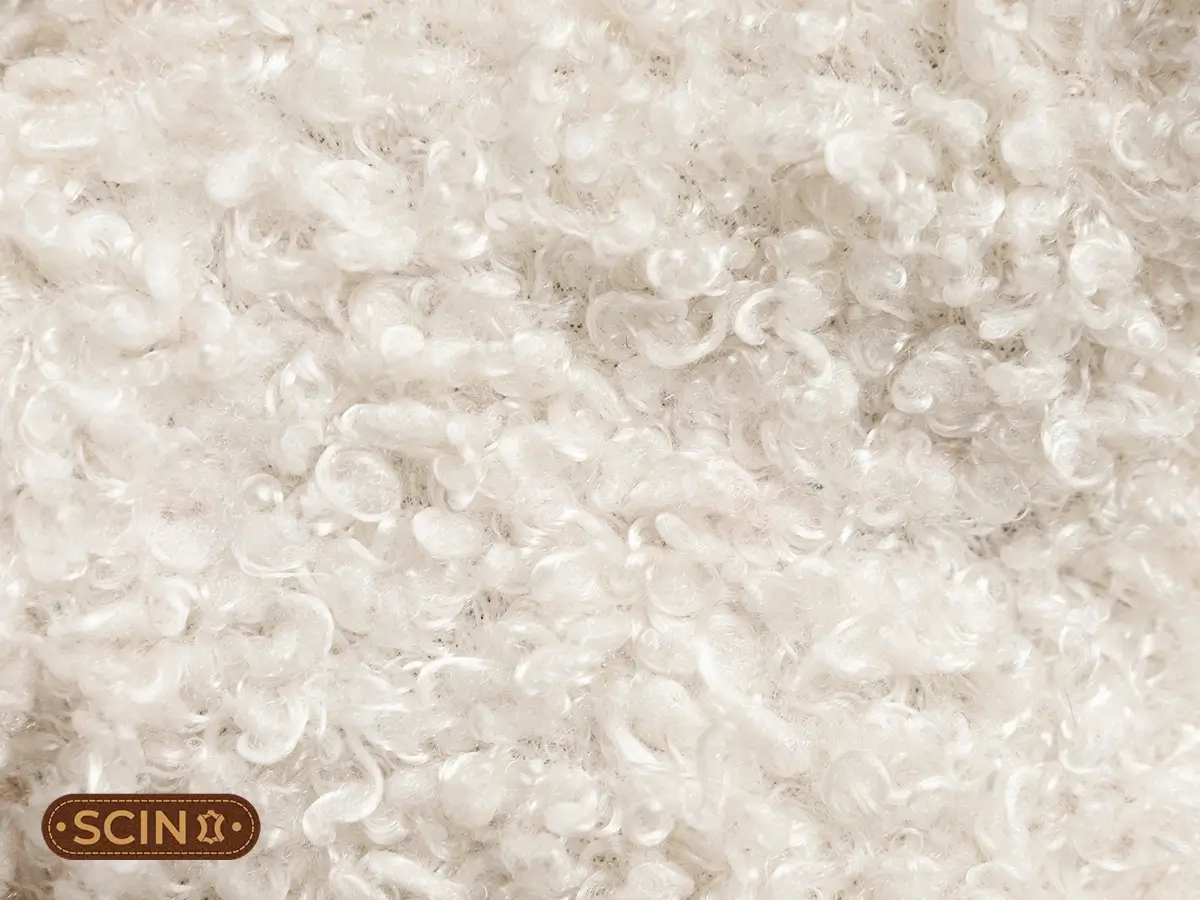
Alpaca baby wool is collected from young alpacas and is exceptionally soft and fine. The fabric functions as hypoallergenic material that weighs almost nothing and serves as perfect choice for knitting delicate clothing and crafting premium fashion items. Baby alpaca wool provides both luxurious texture and strong durability which protects sensitive skin. The material functions as a common component in high-quality sweaters and scarves and blankets.]
Common Wool Fabrics
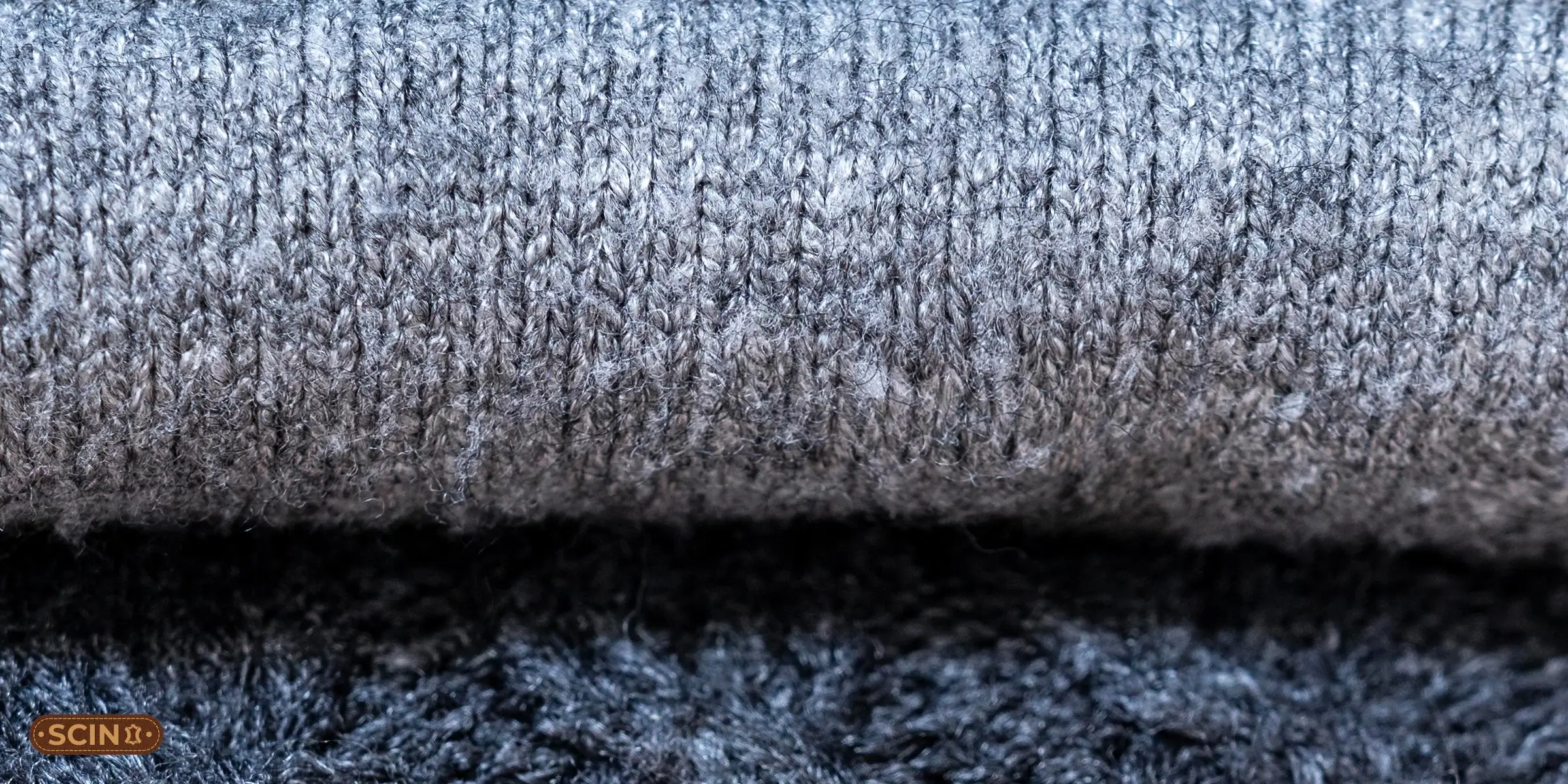
Wool fibers are processed into different fabrics because of their texture and thickness and their specific applications. The main types of wool fabrics include woolen fabrics and worsted fabrics and felt and tweed and flannel fabrics. The unique characteristics of each fabric make it suitable for particular types of clothing. The wool fabrics provide warmth and breathability and durability and multiple uses. The right fabric selection improves both comfort and fashion.
Woolen Fabric
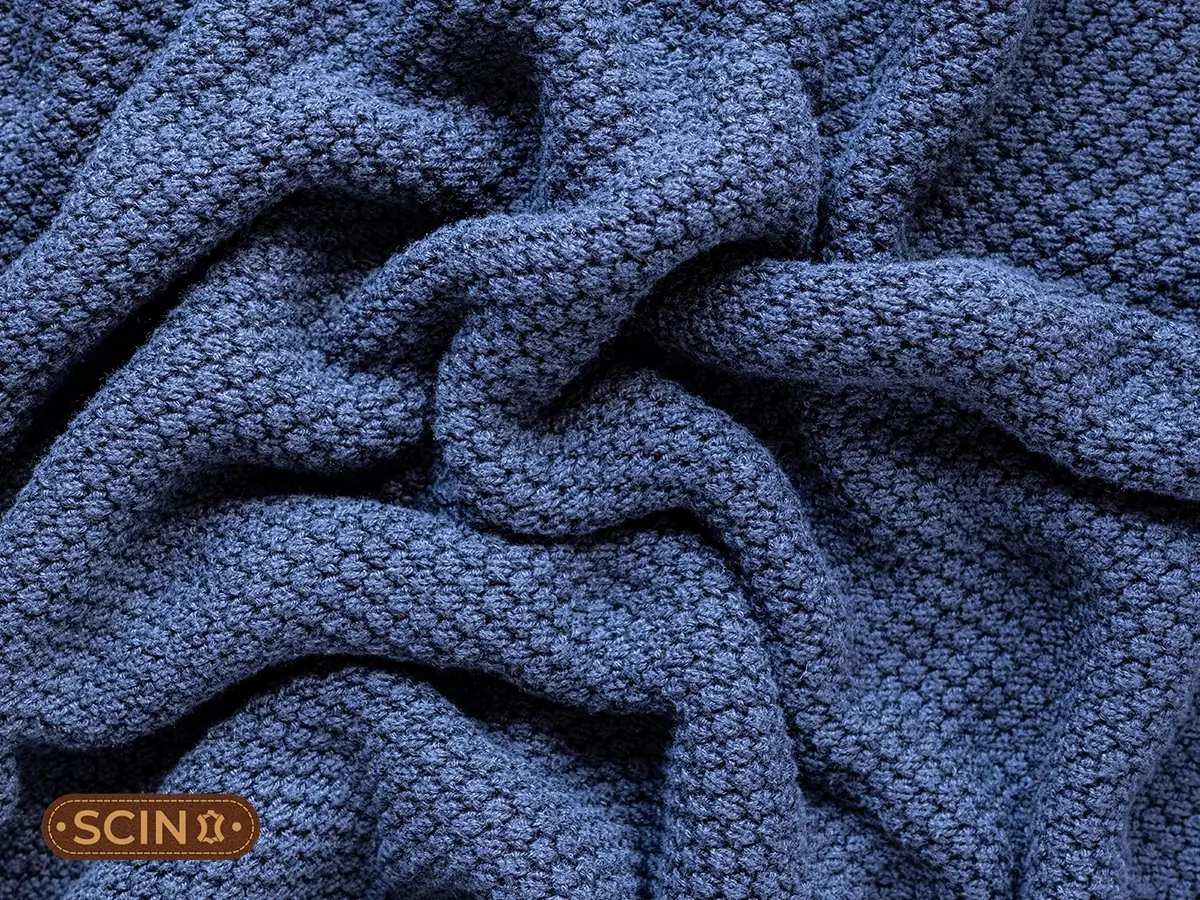
Woolen fabric serves as a soft and thick material which creates a fluffy texture that provides superior insulation. The material serves as a primary fabric for creating sweaters and coats and blankets. The fabric maintains warmth by trapping air between its fibers. Woolen fabric serves as a comfortable material which people use to make cold-weather clothing. The fabric’s texture creates a warm and welcoming atmosphere which people find pleasant to wear.
Worsted Fabric
Worsted fabric is smooth, tightly woven, and durable. The material finds use in creating suits and jackets and trousers. Worsted wool achieves a formal look while providing thermal insulation. The extended fibers of the material create durable clothing that withstands damage. The fabric serves as the perfect choice for both professional wear and tailored outfits.
Felt
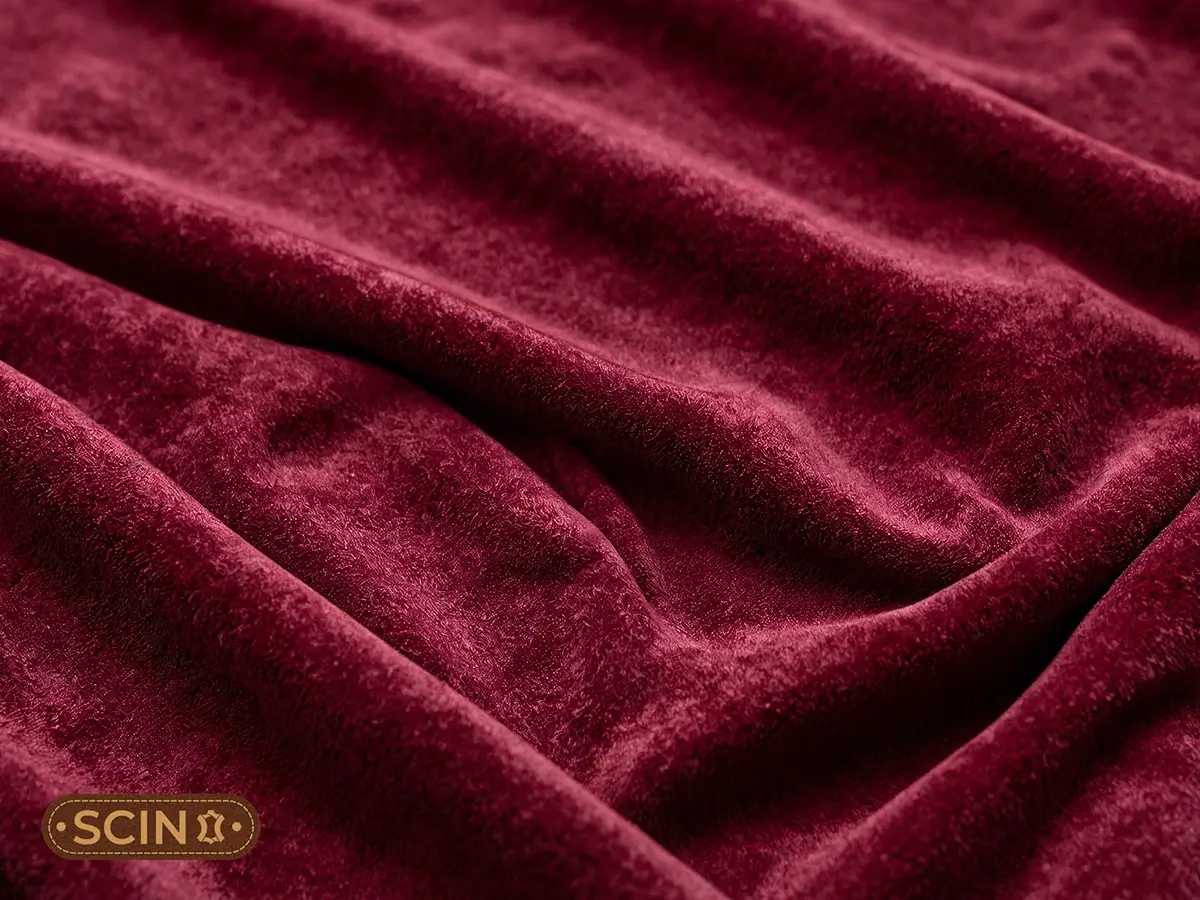
Felt is created through the process of compressing wool fibers into a solid, compact material. The material serves as a durable option which people use to make hats and craft items and insulation products. The material does not fray which makes it suitable for structured applications. The texture of the material offers stability and enables extended usage. The material functions as a versatile component which designers use to create both fashion items and practical products.
Tweed
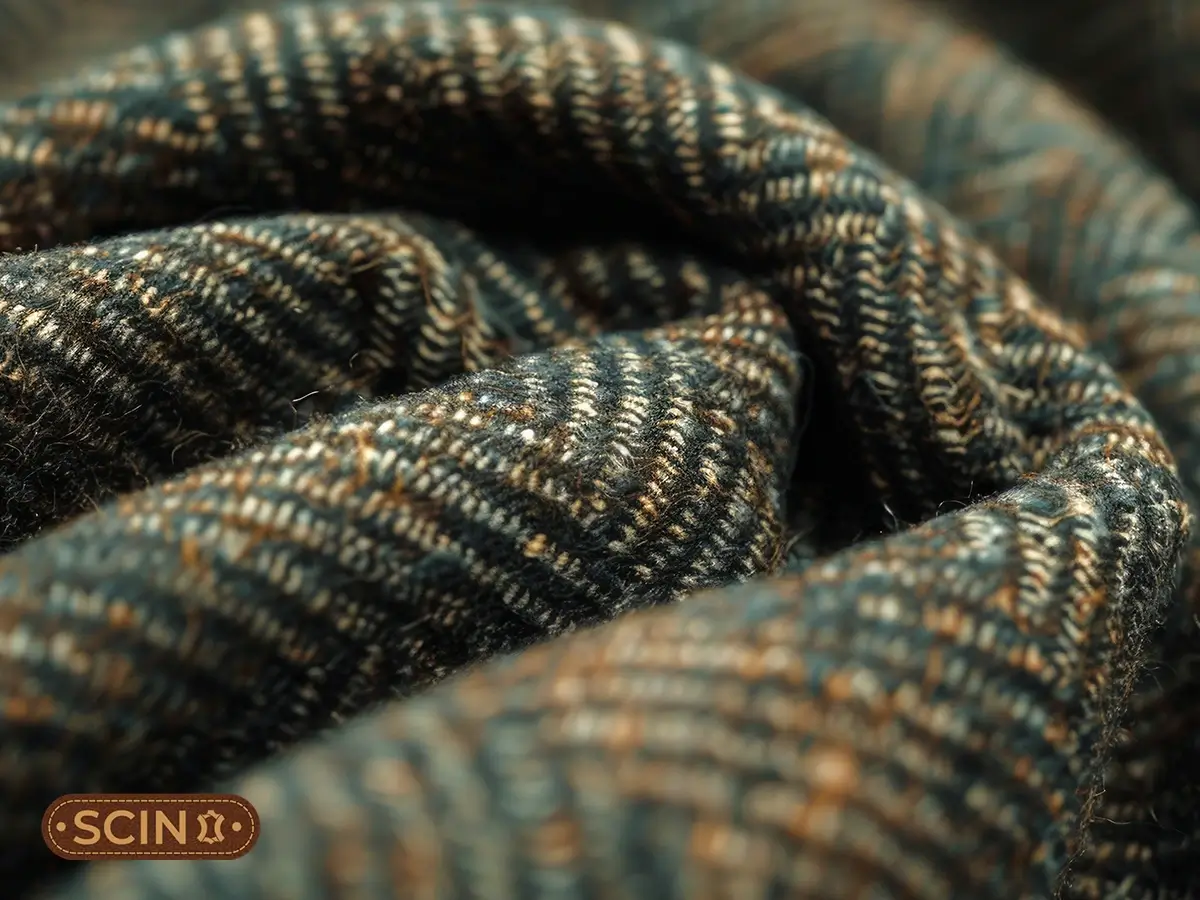
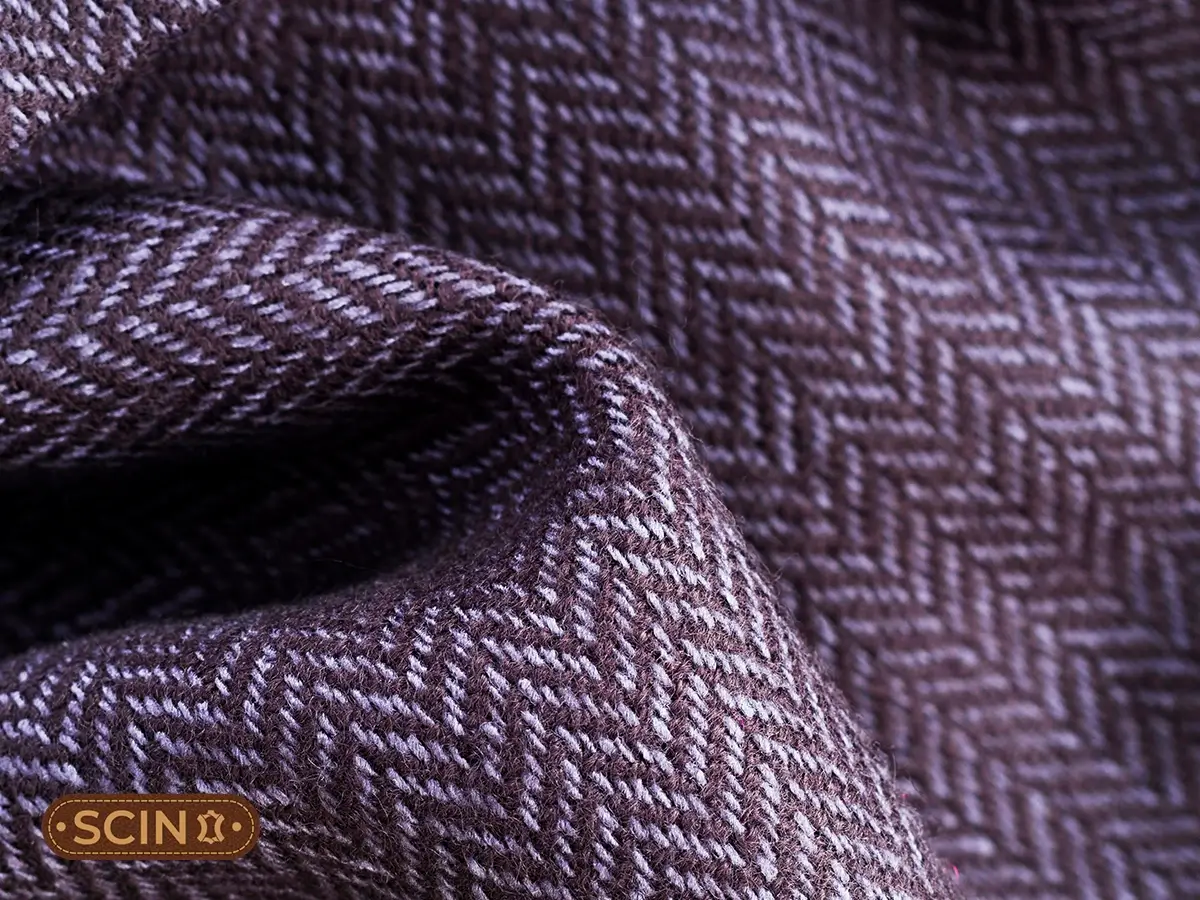
Tweed is a coarse fabric which weaves together wool fibers to create a material that resists damage from harsh weather conditions. The material serves as a fabric base for making jackets and coats and outdoor apparel. The textured surface of tweed creates visual appeal while offering strength to the fabric. The fabric is perfect for making heavy clothes that require both heat and fashionable appearance. Tweed provides practical use through its traditional design elements.
Flannel
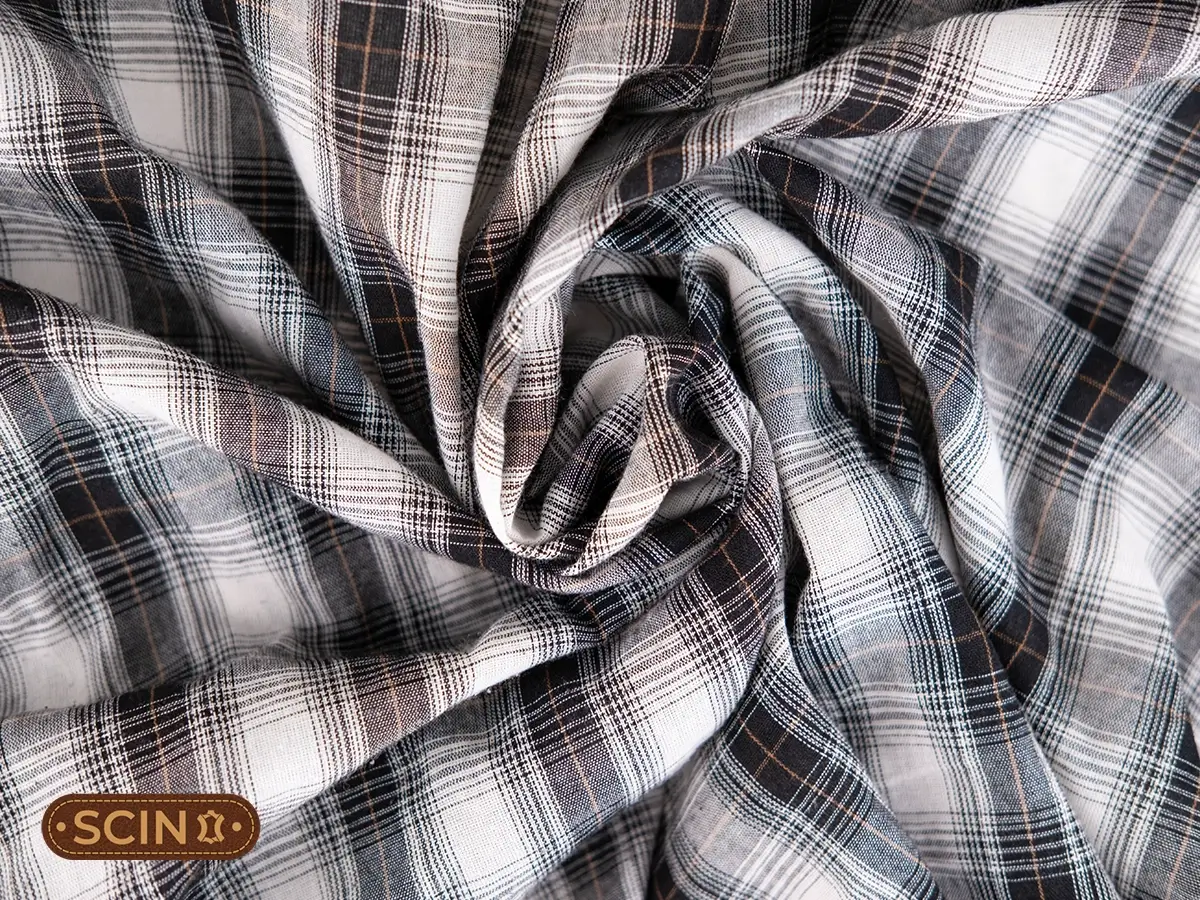
Flannel is a soft wool fabric which has a brushed texture that creates warmth and comfort for its wearers. The material is commonly used to make shirts and pajamas and bed linens. The fabric of flannel wool provides a comfortable and adaptable and skin-friendly experience. The brushed texture of the material provides extra heat protection and creates a softer touch. Flannel serves as an ideal fabric for both relaxed home clothing and comfortable home textile products.
How to Choose the Best Type of Wool for Your Need?
Choosing the best type of wool material needs evaluation of planned application, required softness, thermal properties plus financial limitations. The best choice for daily usage Merino or Lambswool provides users with maximum comfort plus excellent airflow. Cashmere, Alpaca, or Vicuña provide luxury items which require both soft textures and high-end qualities. Outerwear needs wool materials which provide strength through fabrics like Shetland and Camel wool to endure extreme weather conditions.
The texture shows that baby alpaca wool provides sensitive skin with its soft touch while Tweed and Llama wool offer enduring performance through their rougher texture. Wools exhibit different maintenance needs because some types need special cleaning while others can use washing machines. Properly understanding the wool source and wool type enables you to select products which provide both comfort and durability for your daily activities. The article explains wool textiles through the cleaning methods. For more on wool fabrics, check out how to clean shearling coats and shearling vs sherpa.
FAQs

Share This Story, Choose Your Platform!