
The difference between real leather vs genuine leather requires research into the complete manufacturing process which transforms raw hides into finished products. The manufacturing process directly affects durability, feel, and lifespan. The conversion of raw hide into completed leather requires multiple stages which include tanning, splitting, finishing, and surface treatment. The processing method for each stage of the process determines whether the leather will maintain its natural fiber strength or experience fiber loss through further processing. The comparison between real leather vs genuine leather shows that real leather maintains its original hide structure because it receives only slight modifications.
The process of genuine leather production involves splitting the material into thinner layers which receive surface coatings for better visual appeal yet this practice results in material degradation over time. The two types of leather demonstrate different processing methods which result in real leather possessing better breathability and aging properties while genuine leather develops cracks and peels during typical usage.
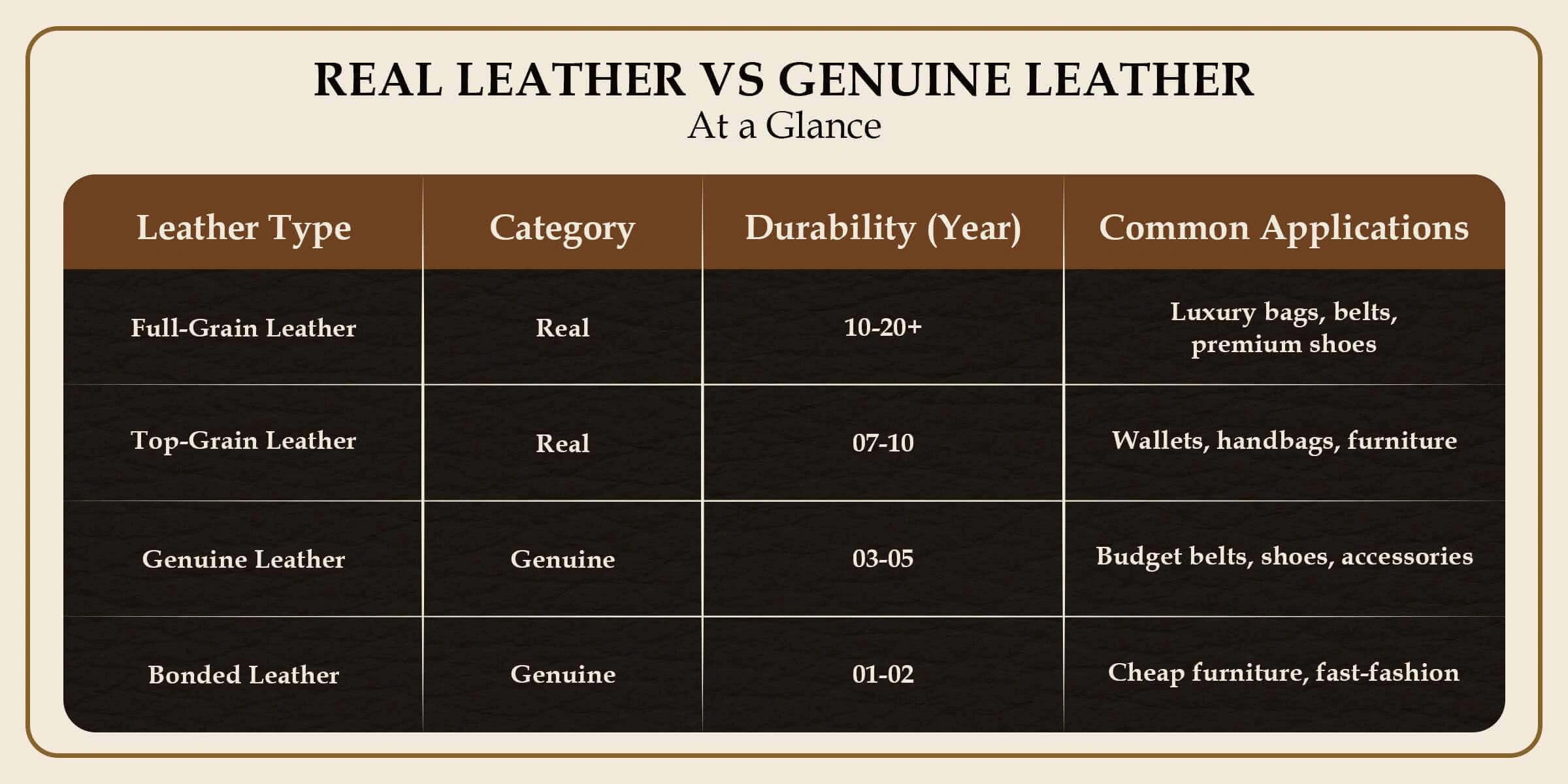
Real Leather vs Genuine: At a Glance
| Leather Type | Category | Durability (Years) | Common Applications |
|---|---|---|---|
| Full-Grain Leather | Real | 10–20+ Years | Luxury bags, belts, premium shoes |
| Top-Grain Leather | Real | 7–10 Years | Wallets, handbags, furniture |
| Genuine Leather | Genuine | 3–5 Years | Budget belts, shoes, accessories |
| Bonded Leather | Genuine | 1–2 Years | Cheap furniture, fast fashion |


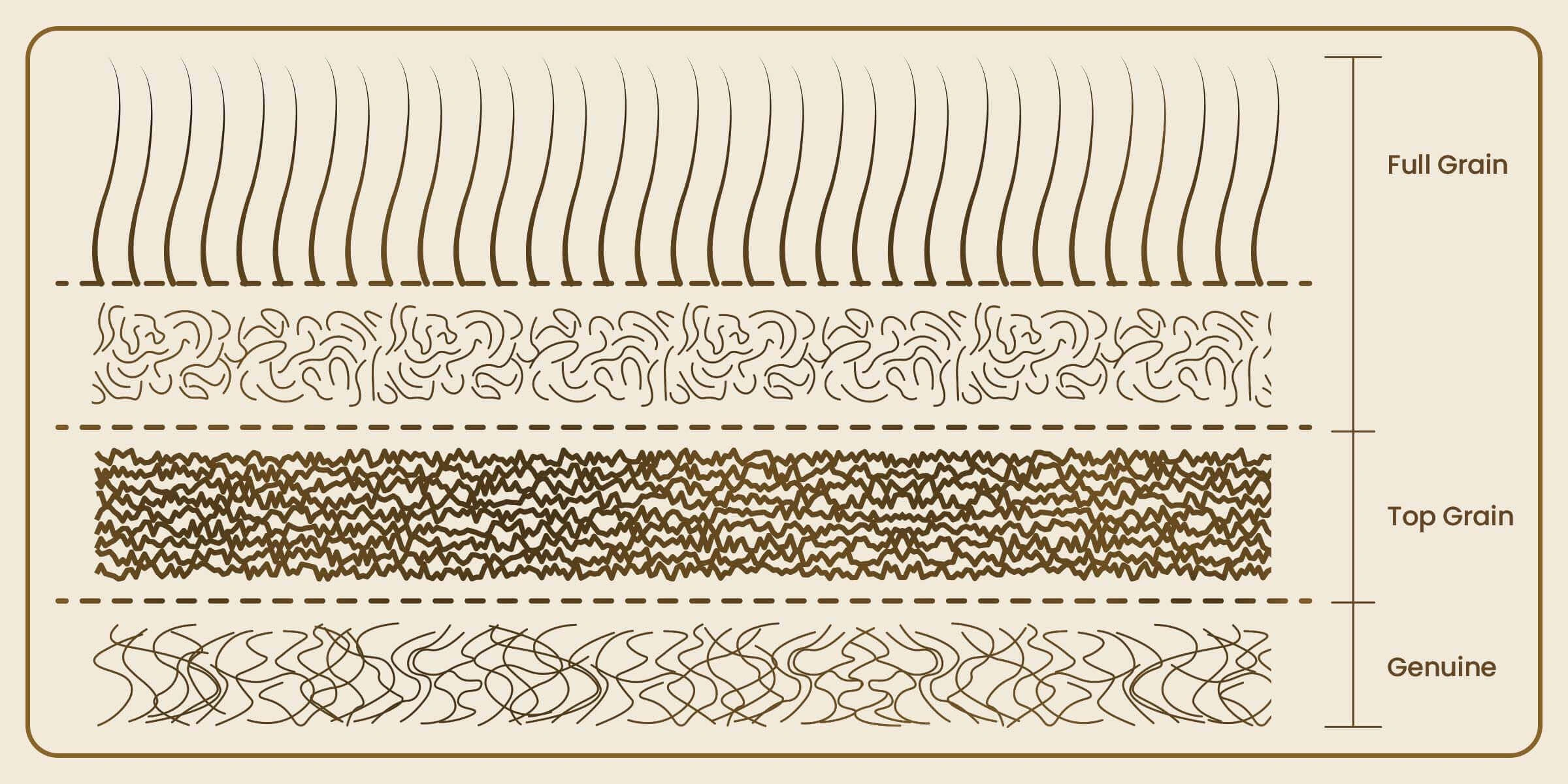
Understanding Real vs Genuine Leather Types
To understand the difference between real vs genuine leather, you first need to understand how leather is made. Animal hides which primarily consist of cowhide serve as the raw material for leather production which undergoes processing into multiple layers. The top layer of the material functions as its strongest and most durable component. Lower layers are weaker and often treated heavily to improve appearance.
Real Leather: Premium Grades
Real leather refers to higher-quality layers of the hide, while genuine leather typically comes from lower layers. The two materials differ from each other because their characteristics affect their ability to withstand time and wear while their costing process differs.
Genuine Leather: Lower Grades
The quality distinction between real leather and genuine leather as well as between top grain leather and genuine leather becomes apparent through their comparison. Real leather retains natural fibers and breathability, while genuine leather often relies on coatings and embossing to look appealing.
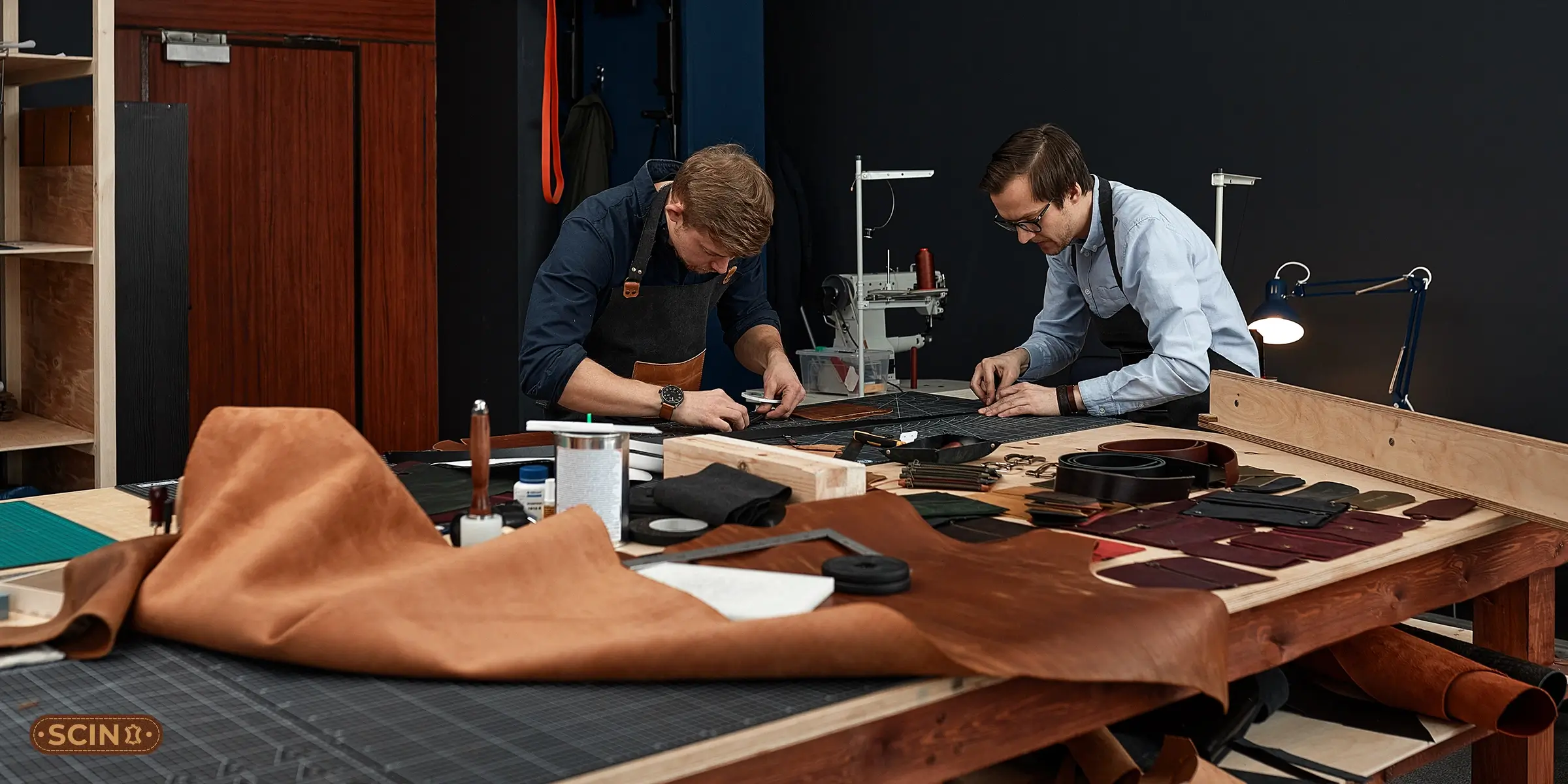
5 Tips to Identify Real vs Genuine Leather
Below are the 5 best tips to identify the real leather vs genuine leather.
Feel the Texture
The most effective method to differentiate between real leather vs genuine leather authenticates itself through tactile texture assessment. leather, especially higher grades like full-grain or top-grain, displays its authentic appearance through its natural uneven surface. The material shows natural flaws in its texture which display different grain patterns and contain pores that feel authentic when touched. The original animal hide creates this texture which synthetic coatings cannot recreate in its entirety. Genuine leather achieves a smoother uniformity through its production from lower hide layers which undergo surface finishing. The coatings hide the natural grain patterns, resulting in a texture that resembles plastic or an excessively polished appearance.
Leather specialists who possess extensive industry expertise prefer to use touch as their primary material assessment method because your fingers can quickly detect the material’s breathing and bending properties. The process of testing leather through tactile assessment provides valuable insights about authenticity and long-lasting performance when people examine leather products at LeatherSCIN, which sells premium jackets and accessories.
See How It Bends
The process for determining whether a material constitutes real leather or genuine leather begins with testing how the material reacts during bending and folding. Real leather exhibits soft wrinkles and creases that move with the hide when you apply gentle bending to it. The leather displays irregular wrinkles which relax after you release the material because its strong fibers maintain natural elasticity. Genuine leather exhibits two distinct bending patterns which result in either rigid bends or sharp straight lines because surface coatings and compressed fibers impede its natural movement.
The use of these rigid bends in bags and leather jackets which experience constant movement results in damage through cracking and peeling that occurs with time. The test receives endorsement from skilled leather craftsmen because it accurately replicates actual wear and tear patterns. A leather jackets displays better aging when its elbows and shoulders bend smoothly without producing any resistance. The need for this feature becomes essential when people choose to invest in long-lasting outerwear which includes men’s biker leather jackets and aviator leather jackets styles designed for extended use.
Smell the Leather
The smell of leather exists as a crucial authenticating element that many people fail to recognize. The distinct aroma of genuine leather originates from natural tanning processes together with the animal fibers used in its production. The natural scent of this product remains intact throughout its entire life cycle because it possesses an authentic smell that cannot be duplicated. The synthetic finishes and adhesives used in the production of genuine leather materials create an authentic scent that resembles real leather but contains only a slight chemical odor.
The tanning process establishes the primary pathway through which leather manufacturers determine the fragrance of their finished goods according to industry specialists. Vegetable-tanned real leather produces a warm woody fragrance while chrome-tanned leather emits an odor that lacks artificial elements yet still has a natural scent. The absence of leather scent together with an artificial odor indicates that the product does not contain authentic high-quality leather. Trusted brands and educational resources like the LeatherSCIN blog emphasize smell as a quick authenticity check when labels are unclear.
Water Drop Test
The water drop test provides an efficient method to compare real leather vs genuine leather through its straightforward testing procedure. The test requires the application of a water droplet onto the material which needs to be monitored for its response. The water will be absorbed by real leather because it contains porous materials which will make the area become darker until it dries. The material demonstrates absorption properties because it consists of natural fibers which enable air circulation and moisture management.
Genuine leather, on the other hand, establishes a protective barrier which makes it either repel water or let water remain on its surface. The appearance of this advantage actually indicates that the material possesses diminished breathability together with inferior quality construction. Experts in leather recommend that this assessment needs to occur only under specific conditions which apply to complete leather products. The method maintains its reliability as a traditional assessment tool which professionals use in their workshops and during their product evaluations. The understanding of this distinction enables customers to select leather products which will develop a natural patina through time.
Check the Label Carefully
The process of determining whether a material is authentic leather or genuine leather requires interpreters to read its label. Consumers have difficulty understanding the meanings of terms which include “100% leather ” and “real leather ” and “genuine leather.” The term genuine leather describes a legal definition for leather that comes from leftover hide materials which undergo bonding and coating processes to achieve a uniform appearance. The material qualifies as real leather but it does not represent the best quality. The presence of “full-grain leather ” or “top-grain leather ” labels on products indicates that these items contain higher quality materials. Industry authorities and retailers like LeatherSCIN recommend checking for transparency in labeling and brand education. If the label only displays “genuine leather” without any additional information the product probably belongs to the lower-quality range. Educated consumers rely on both labels and physical tests to make informed decisions.
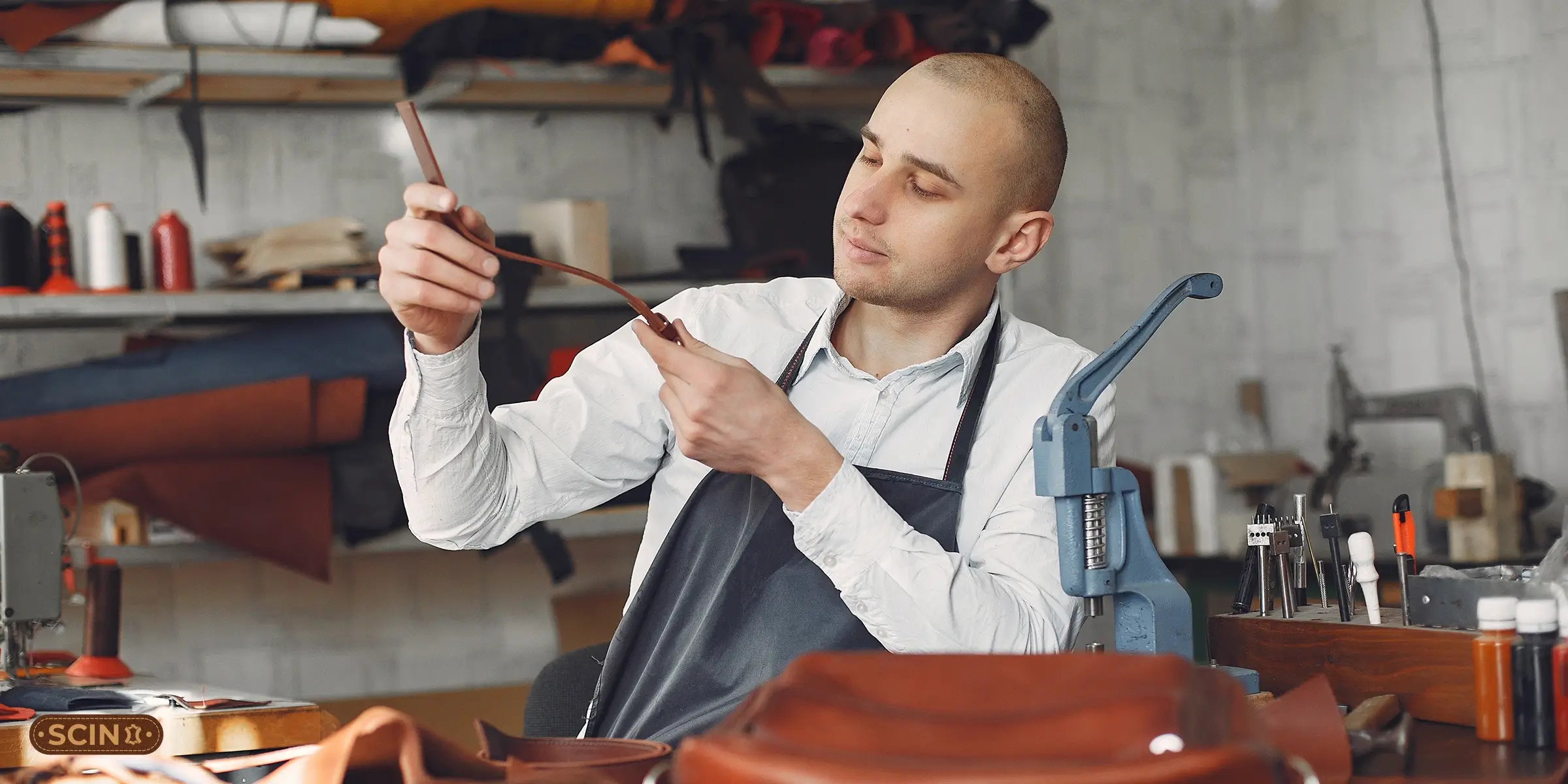
How are Real and Genuine Leather Processed Differently?
The real leather processing method works to keep the original hide structure intact. The sanding process for full-grain and top-grain leathers only removes surface material yet maintains the complete fiber structure of the leather. The process improves product strength while maintaining airflow accessibility and extending the product’s lifespan. Tanners who possess expertise use specific techniques which enable them to build up leather products while still keeping their original properties. Real leather develops unique characteristics through its extended usage period. The traditional method represents skilled knowledge which has been transmitted throughout many years of development.
Real leather processing uses industrial methods which prioritize cost efficiency as its primary focus. The manufacturing process uses the lower hide portions which have inferior strength and shorter lifespan. The manufacturing process bonds the layers together while applying artificial grain patterns through embossing and using synthetic coatings. The process makes genuine leather cheaper and more visually consistent but it leads to reduced lifespan and diminished natural functionality. The detailed guide shows that processing methods create distinct differences which lead to early peeling and cracking of genuine leather products. Consumers can use their understanding of these methods to match their performance needs with corresponding price points.
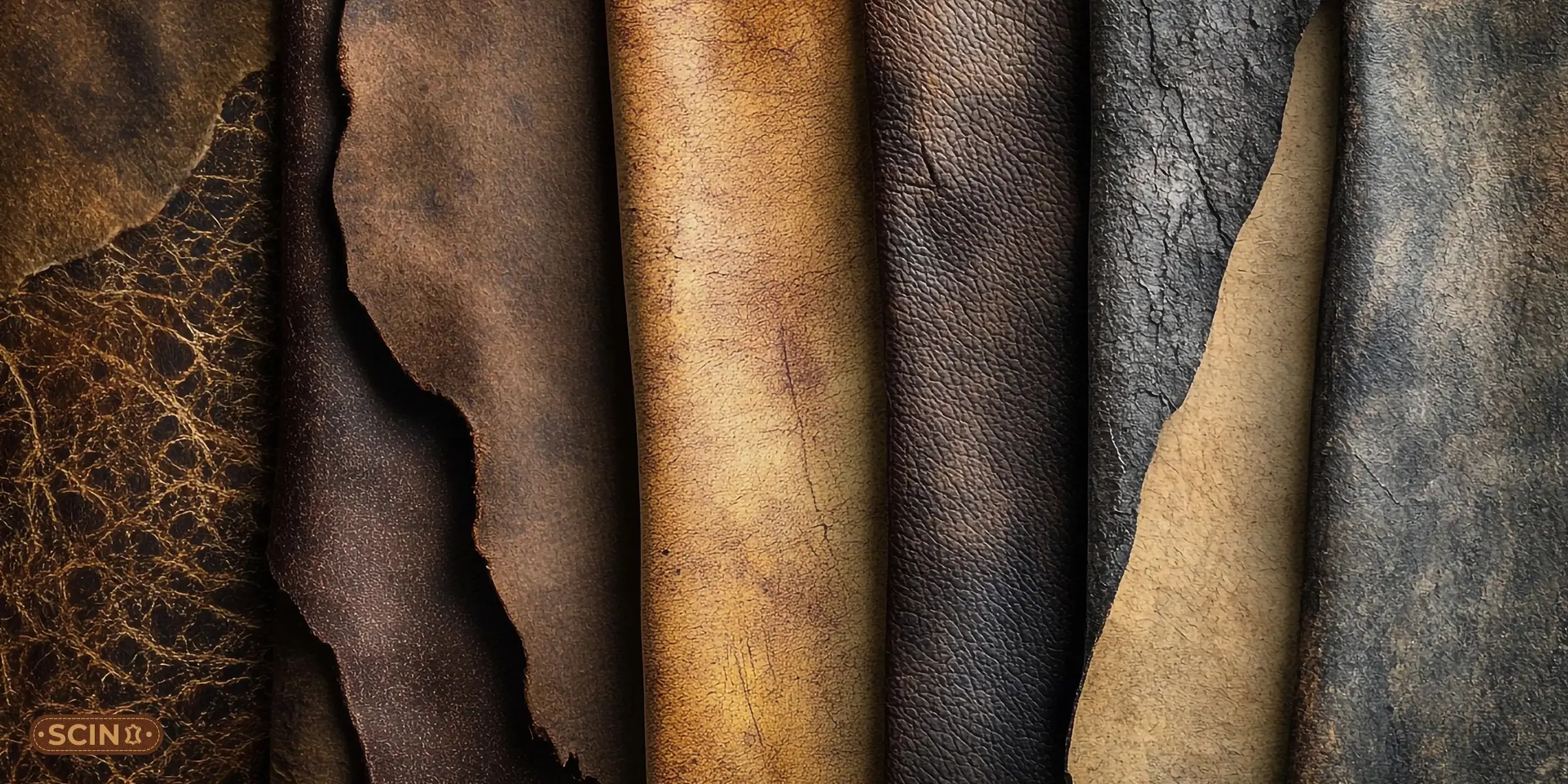
Full Grain Leather vs Genuine Leather vs Cow Leather?
The highest quality of leather products exists in full-grain leather because it uses the complete grain layer of animal hides. The material maintains its original markings while providing exceptional strength. The leather used in cowhide leather jackets and bags comes in three different types which include full-grain, top-grain and genuine leather depending on its manufacturing methods. The term cow leather does not refer to a specific quality level because it designates the material used for production. Cowhide genuine leather reached a lower quality level because it underwent extensive manufacturing procedures.
Experts emphasize that material source and processing quality must be considered together. A men’s aviator leather jacket made from full-grain cowhide leather jackets will outperform a genuine leather jacket from the same animal. Educational resources like LeatherSCIN guide on real leather vs genuine leather help clarify these distinctions. The understanding of different categories enables buyers to select better products which will provide value over time.
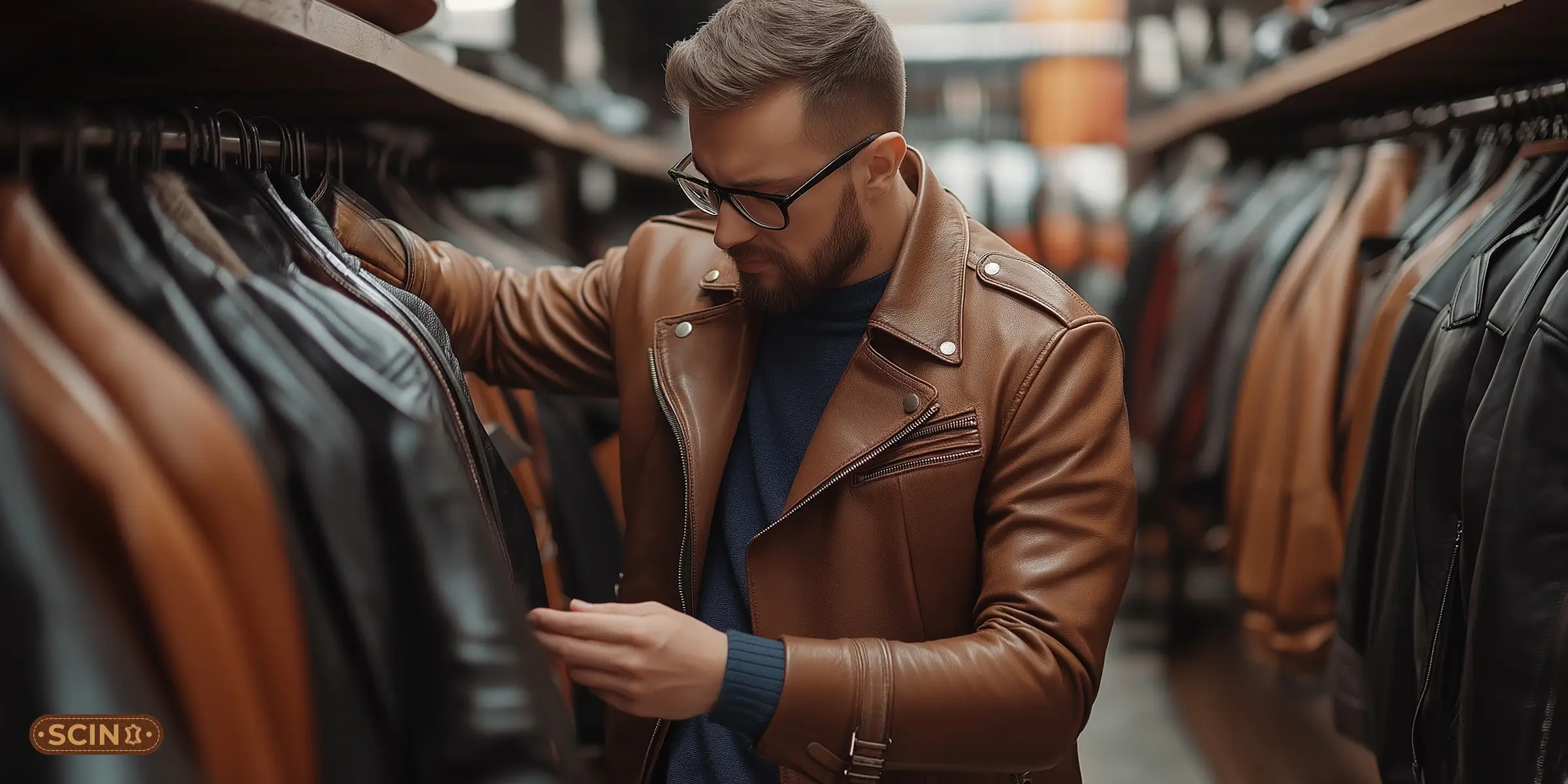
Which One Should You Choose? Genuine Leather Vs Real?
The decision between real leather vs genuine leather requires you to assess your specific needs. Genuine leather works for occasional use when your primary needs are affordable products that look good. The material provides leather appearance at a reduced cost which makes it a popular choice for fast-fashion accessories. However, it may not withstand heavy daily wear. Real leather becomes your best option when you need a material that delivers durability and comfort and maintains its value over time. The men leather jacket and women leather jacket collections from LeatherSCIN feature full-grain and top-grain leather which provide exceptional aging properties and performance capabilities. Industry experts recommend that you purchase premium leather materials when you intend to create products for long-term use.


FAQs: Real Leather vs Genuine Leather

Share This Story, Choose Your Platform!