
Leather is reputed to be strong, elegant, durable, and attractive. However, brand-new leather is smooth and polished, whereas lots of individuals prefer the worn-out look of ruggedness that has character. It is in that case that it is useful to learn how to distress leather. The right tools and techniques can be used to achieve a vintage appearance that makes the leather look like it has been in your life for years.
The point of distressing leather is not to destroy it; it is to make it more personal. Whether it is a leather jacket, bag, boots, or even furniture, the process serves to replicate the beauty of the aged leather. Being how to age leather lets you decide how your pieces will appear and lets you add a vintage feel to them.
In this blog post, we will explore simple methods, tools, and tips to distress leather easily while keeping it stylish and durable.
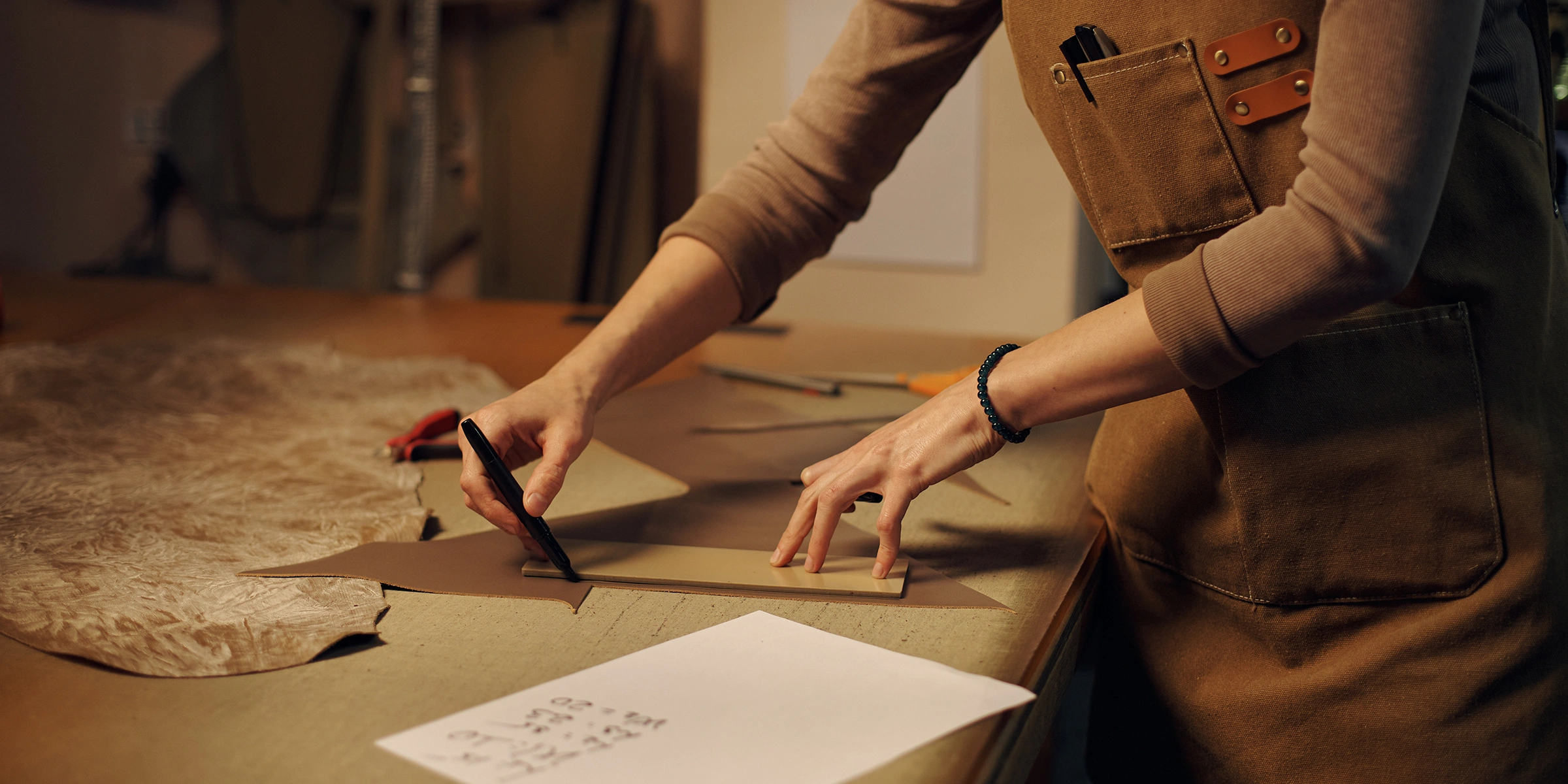
Tools & Materials Needed for Distressing Leather
You will need the appropriate equipment before you start getting real results. The distressing of leather is a gradual process, and it must be done with precision. These tools will be available when you are ready to use them and apply various methods to give it a desired finish.
A soft cloth and conditioner that is made of leather will also be a nice item to have next to you. Distressing also removes part of the protective coating, and it is important to condition the surface of the material after the process in order to avoid cracks and dryness.
Sandpaper
One of the most popular distressing leather tools is sandpaper. It can be faded by making dots on the surface lightly by rubbing it. Medium grit paper is the most effective, although it is always better to test it in an unseen part of the paper before completing the visible parts. To appear more natural, pay attention to edges, seams, and high-contact areas. It is these sections of leather that wear out most rapidly when in actual use.
Steel Wool
The steel wool leaves tiny scratches and smooths down the leather surface. It can be used to excellent effect to make leather look aged in places such as cuffs, straps, of corners. To achieve a natural finish, use natural strokes in various directions. Pressing too hard may cut too deep, so begin gradually and keep track of your progress.
Hammer or Mallet
You would use a hammer or mallet to add dents and creases to your leather, to make it appear rugged. A slight tapping on the surface gives the impression of years of wear through the random imperfection. The movement of the leather under the hammer also creates lines of folds, contributing to its vintage appearance.
Wire Brush
To create an even more distressed effect, a wire brush miraculously works. Rough weathered leather can be achieved by rubbing its surface, which will appear rustic. Draw short, indent strokes on various parts, but never rub too vigorously in any of these parts as it will wear the leather weak.
Want to explore different finishes? Check out different types of leather to understand how each treatment affects leather’s look and feel.
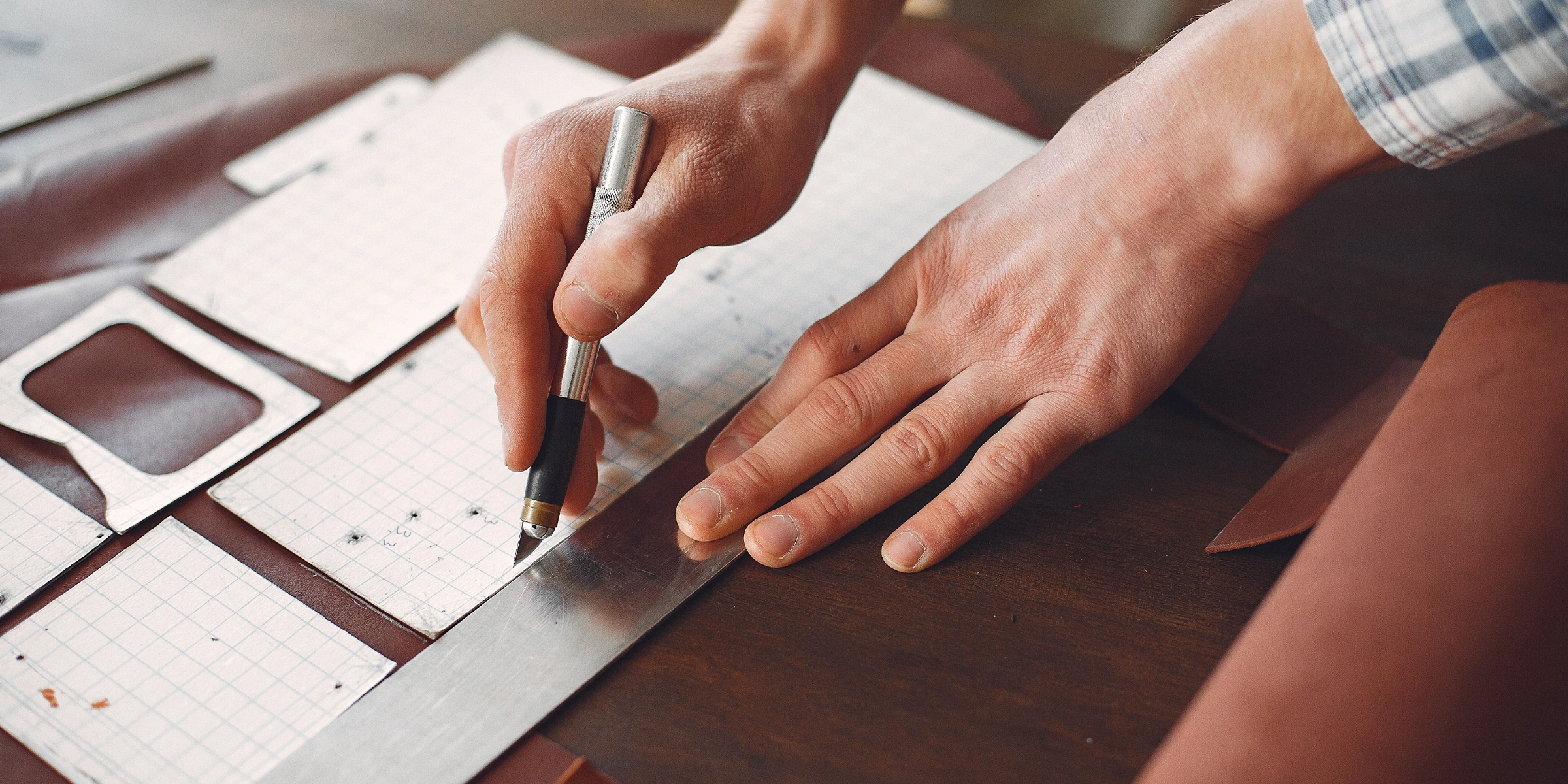
How to Distress Leather: Step-by-Step Guide
Leather distressing can be an art and a science. To achieve the appearance of something that looks like it has been used and then gently refined, you must strike a balance between rough handling and meticulous work. These steps will give the most results:
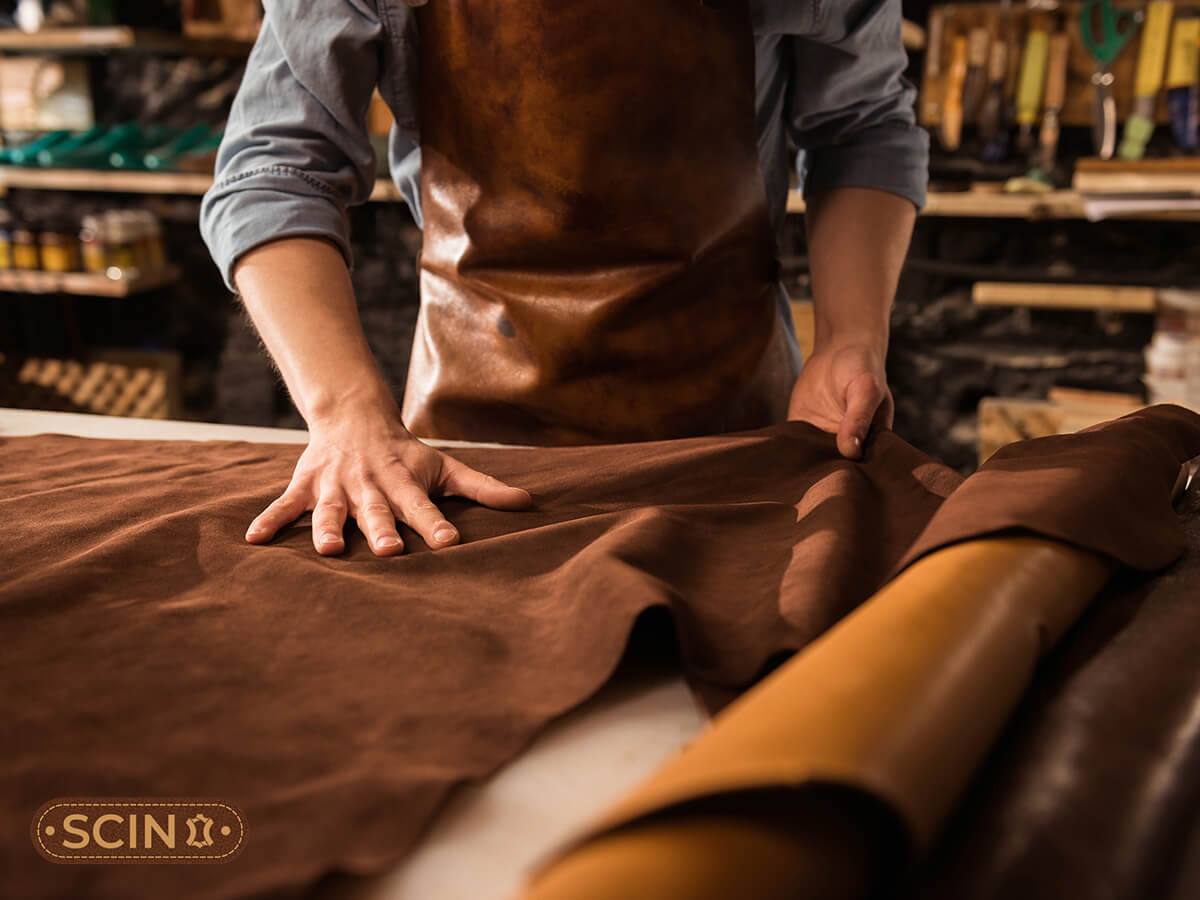
Preparing the Leather
Preparation is always a good place to begin. Clean the leather by wiping with a damp cloth and mild soap to remove dust, oils, or protective coats. This is so that the tools you are using can communicate with the surface. Clean, then allow the leather to dry.
When the leather is dry, flex and roll it to loosen it. This softens the material and assists in forming creases that are like those caused by natural wear. When you are doing a jacket or bag, scrunch it up so that it feels like it has been used.
Curious about how leather naturally changes over time? Learn more in Leather Patina, where we explore how leather develops character as it ages.
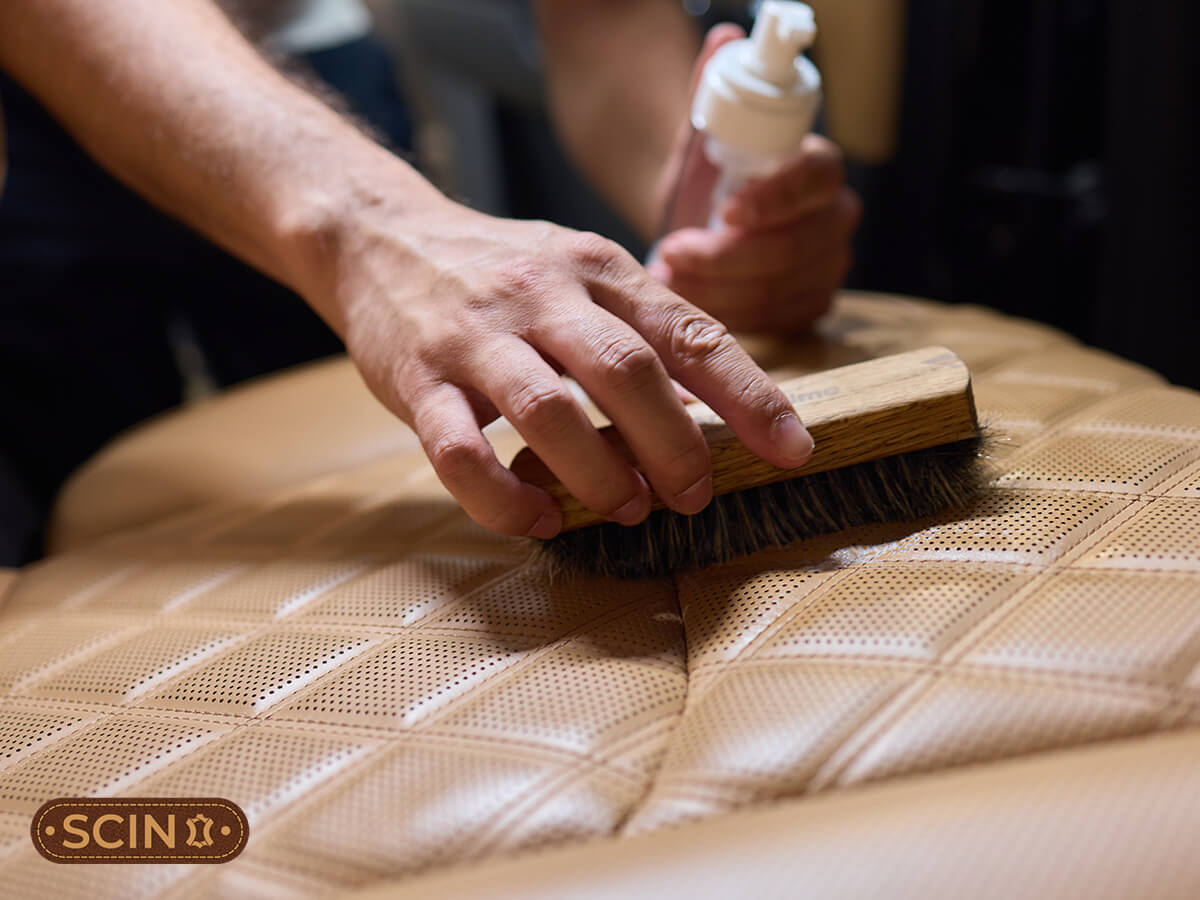
Methods to Distress Leather
Now comes the creative part. Make one use of your selected tools. Begin with sandpaper or steel wool to take out light fading and scratches. Next add creases or dents with the hammer. Finalize using wire brush to create texture. To achieve a soft appearance, you may also apply the rubbing alcohol or watered down vinegar to rub some of the finish off the leather. Apply lightly and remove with a towel then bend or roll the leather when wet. The material is softened in this technique and appears weathered.
These methods work equally well on different types of leather, whether you’re giving your brown leather jackets a rugged, vintage charm or adding character to your black leather jackets. After distressing, always apply a leather conditioner. This step is essential it restores moisture and keeps the leather flexible, ensuring it doesn’t dry out or crack.
How to Age Leather Quickly
There are times when you do not want to see your leather grow old and attain a worn-in appearance after several years. Fortunately, learning how to age leather quickly in a safe way exists. Rubbing alcohol is one of the methods. Spray or dab a little paint on the surface to remove some of the protective coating. The leather softens, becomes matte with wear. Combine this with exposure to the sun to accelerate natural fading.
Manual bending and folding of leather is another method by which leather is made to look old. Fold the material back and forth, twist, and crumple. The motions form creases and wear patterns that look like aging. When dealing with atypical leathers, take a look at Cork Leather to understand how various kinds of material respond to wear and tear.
Leather ageing can also be done by the use of water. Wipe the surface down a little, then dry it in the sunshine. The water makes the fibers soft, and the sun removes the color. Never immerse it in water; excess water can permanently damage it.
Common Mistakes to Avoid When Distressing Leather
Although distressing leather is artful, it can be difficult to get it right when you are new to the technique. Over-distressing is also one of the most frequent mistakes. The leather may be weak or thin due to excessive sanding, brushing, or hammering, which cannot be repaired. Never hurry; do little and do it well. An additional error is not taking aftercare. After being distressed, leather becomes devitalized in part by losing some of its natural oils and defensive layers. Unconditioned, it can simply dry and crack or fade away. Always leave in a good conditioner.
Want to know how to protect leather even after distressing? Read How to Remove Mold from Leather to learn how to care for your items in humid environments.
Last but not least: do not distress leather with sharp objects such as knives or scissors. They can and do make scratches, but they cut into the fibers, causing permanent structural damage. Use restricted materials such as sandpaper and brushes.